


The Sneakers Worth Owning: Designer Leather from Court to Pavement
The designer sneaker has a credibility problem. Most of them are loud. Most of them age badly. Most of them cost four times what they cost to make and communicate nothing except that the wearer spent four times what they cost to make.
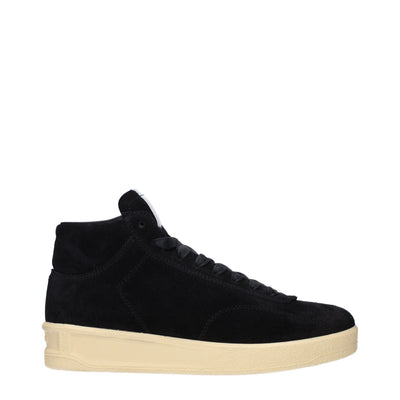
A serious sneaker does the opposite. It communicates restraint. It improves with wear. It justifies its price through materials and construction rather than through recognition. The sneaker that earns its place in a serious wardrobe is the sneaker built like a dress shoe. Leather upper. Stitched sole. Clean silhouette. Everything else is noise.
Leather Quality
The leather is the sneaker. A designer sneaker in genuine leather, the lowest grade, will crease unevenly across the toe box within a month. A sneaker in full-grain calfskin will crease in a pattern that follows the foot’s natural flex point. The first looks worn out. The second looks worn in. The difference is entirely in the hide.
Common Projects, the New York label founded in 2004 by Prathan Poopat and Flavio Girolami, built its reputation on this distinction. The Achilles Low, in Italian nappa leather with a Margom sole, is the reference sneaker for men who want a sneaker that behaves like proper footwear. The leather is sourced from the same Italian tanneries that supply the dress shoe houses. The silhouette is the simplest possible shape that still reads as a shoe. There is no logo. There is no visible branding. There is only the gold serial number stamped on the heel, a detail so quiet it functions as an anti-logo.
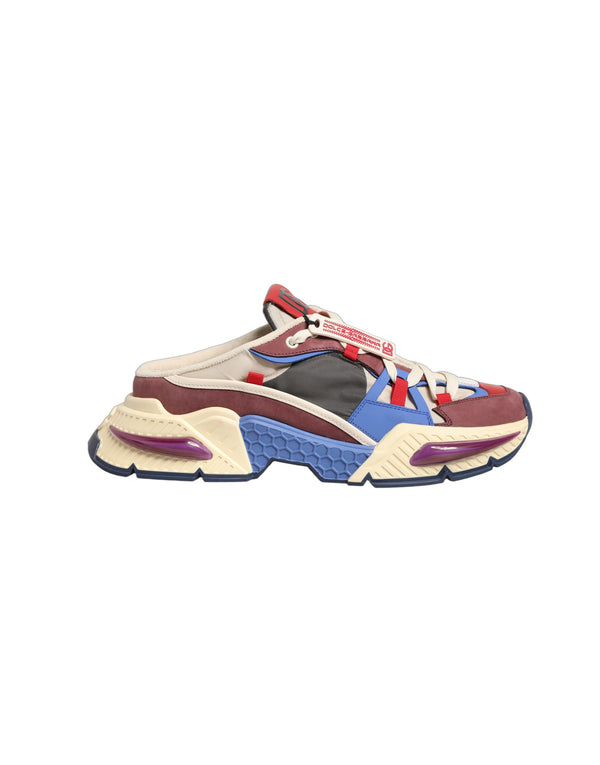
Valentino takes the opposite approach and makes it work through sheer material conviction. The Valentino Garavani Rockrunner, in Italian calfskin with the house’s signature rockstud trim, is a louder shoe. But the leather is correct. The construction is correct. The studs are applied by hand, not machine, and each one sits in its own precisely cut seat. It is a sneaker that announces itself, but it announces itself honestly.
Sole Construction
The sole is where the designer sneaker separates from the athletic sneaker. An athletic sneaker is built on a cupsole: the upper is cemented into a moulded rubber cup that wraps around the sides. It is light, it is flexible, and it will separate from the upper within two years of regular wear.
A properly constructed designer sneaker is built on a stitched sole. The Margom sole used by Common Projects and a dozen other serious houses is a rubber cupsole that the upper is stitched to before cementing. The stitch is visible along the edge of the sole. It is not decorative. It is structural. A stitched sole can be replaced. A cemented sole cannot. A shoe that can be resoled is a shoe built to outlast its first owner.
Brunello Cucinelli’s low-top sneaker in white cotton and calfskin uses the same Margom construction but wraps it in the house’s particular restraint. The leather is washed for softness before cutting. The stitching is tonal. The laces are waxed cotton. It is a sneaker from a house that builds cashmere sweaters, and it shows in the refusal to overstate anything.
Silhouette and Restraint
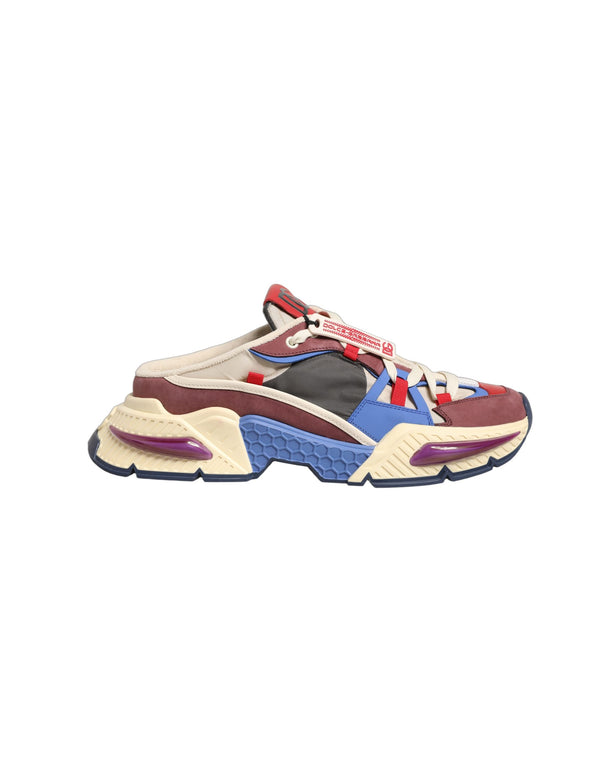
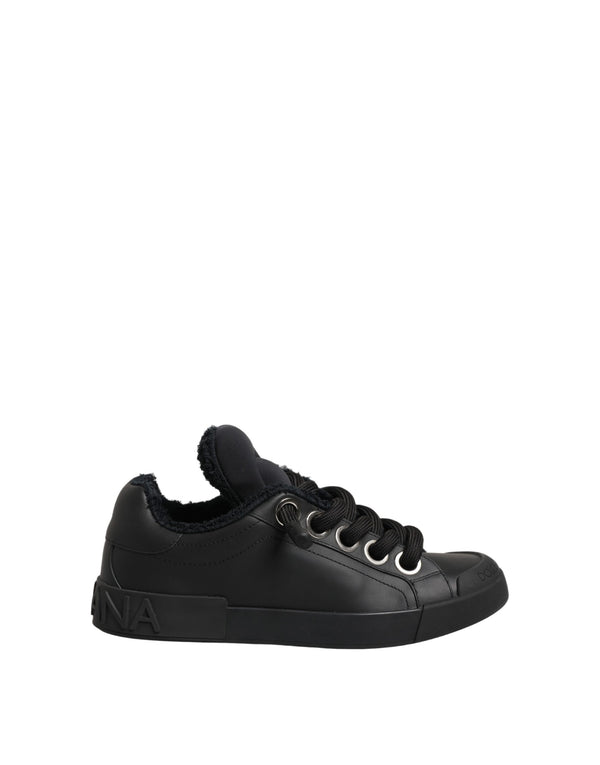
The silhouette of a designer sneaker should be as close to the foot as dignity allows. A sneaker with a bulbous toe box, a platform sole, or exaggerated proportions belongs in a streetwear look book. It does not belong in a wardrobe that also contains a suit.
Golden Goose, the Venetian house that made the pre-distressed sneaker a category, occupies a specific place in this argument. A Golden Goose Superstar arrives already marked: scuffed sole, weathered leather, the laces slightly greyed as though they have been tied and untied a hundred times. Some people find this affectation. Others find it liberating. The leather is full-grain Italian calfskin. The sole is stitched. The silhouette is narrow and close to the foot. If you can accept the premise that a sneaker should look like it has a history, Golden Goose delivers a sneaker with better materials than most shoes that aspire to look brand new.
For those who prefer to write their own history, Common Projects and Brunello Cucinelli are the answer. They arrive clean and let the wearer create the patina.
How to Wear Them
A designer leather sneaker in white or off-white works with tailored trousers, dark denim, chinos, and a suit without a tie. It does not work with a suit and tie. The suit and the sneaker must agree on the level of formality, and a tie tips the balance too far toward the suit. Without the tie, the jacket and the sneaker find an equilibrium that has become one of the defining looks of the past decade.
The sneaker should be clean. A white leather sneaker that has gone grey from neglect is not a patina. It is a sign that the wearer does not care for his things. A damp cloth, a soft brush, and five minutes after each wear keeps the leather alive.
A designer sneaker is not a trend object. It is a considered addition to a wardrobe built on quality rather than volume. Buy the pair with the best leather you can afford. Keep them clean. Wear them until the sole wears through, then have them resoled. The sneaker that stays in the wardrobe for a decade costs less per wear than the sneaker replaced every season. This is the only calculation that matters.