


Formal wear for men is the category where most wardrobes fail silently. The suit exists. The shirt exists. The shoes exist. But the combination does not add up to what the occasion requires, because none of the components were chosen with reference to each other, and none of them were built to the standard that formal occasions have always demanded. This guide is for the man who wants the combination to work.
The Suit: Starting Position
A well-made suit begins before any other decision because it determines the proportions within which every other decision will be made. The jacket lapel sets the width of the tie. The trouser break sets the relationship between the suit and the shoe. The shoulder shape sets the overall silhouette. The modern formal suit has a natural shoulder, a suppressed waist, and a trouser that falls cleanly without being narrow. Brioni and Tom Ford occupy the top tier of this specification. A Tom Ford suit in midnight blue worsted wool is the formal suit for every occasion that is not a black tie event. It is correct at a wedding, at a dinner, at a business meeting with a client who will notice. The midnight blue is more interesting than navy and does not require black shoes - though it accepts them.
The Dress Shirt: Construction Over Styling
The dress shirt worn to a formal occasion will be visible for most of the event. The collar sits against the face. The cuff extends below the jacket sleeve. Given this visibility, the construction of the shirt matters as much as the suit. The dress shirt that belongs in the formal wardrobe is made from two-ply cotton with a thread count that produces a slight sheen without looking synthetic. The collar has the correct amount of interfacing to hold its shape across a full day. Charvet in Paris makes the reference dress shirt for men who dress formally. The house has made shirts since 1838 and the collar will remain correct through a twelve-hour day.
The Shoe: The Foundation
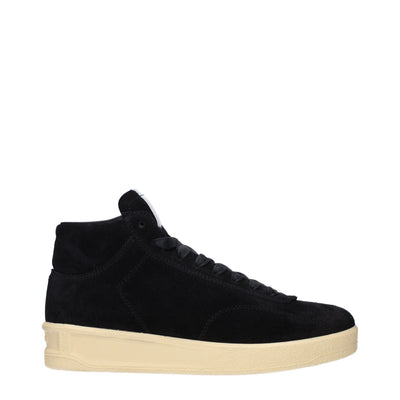
Formal shoes for men communicate authority before anything else. The quality of the leather, the precision of the last, and the standard of the construction are readable to the person who knows how to look. An Oxford in black calfskin, on a leather sole, is the formal shoe for every occasion where a shoe is required to be formal. Edward Green, John Lobb, and Berluti each produce this shoe at the level where it communicates what it is supposed to communicate. Below this level, the shoe communicates something adjacent to what was intended. The sole material matters. A leather sole is the formal standard. A rubber sole is a practical concession for rainy occasions only.
The Accessory Layer
The formal outfit is completed by the accessories: a belt that matches the shoe leather in tone, a watch that does not compete with the suit, a pocket square that adds texture without adding noise. Tom Ford understands how these components fit together. A Tom Ford belt in full-grain calfskin, a Patek Philippe dress watch, and a white cotton pocket square in a flat fold complete the formal look without competing with it.
For the tailoring, shirts, and formal accessories referenced here, browse the Men's collection and the Accessories collection at The Gray Crab.