


The Hermès Birkin occupies several categories at once: handbag, design icon, status object and active secondary-market product. None of those roles creates a guaranteed financial return.
A considered purchase begins by separating the mythology from the physical bag. Size, leather, colour, hardware, condition, provenance and actual carrying habits matter more to ownership than headlines about record prices.
Choose size around what the bag must carry
Different sizes change weight, proportion and practicality. A smaller format may suit daily essentials and evening use. A larger format can carry more but becomes heavier once filled. Compare the bag against the wearer’s frame, usual contents and transport routine rather than choosing from desirability alone.
Leather changes structure and ageing
Different Hermès leathers vary in grain, softness, weight and how visibly they record contact. A more structured leather preserves architecture differently from a softer one. Surface texture can also make scratches, corner wear and handling marks more or less apparent.
The useful question is not which leather is considered most prestigious. It is which one is appropriate for the intended frequency and handling.
Inspect construction and condition without romanticising them
Look at stitching consistency, edge finishing, handles, corners, feet, hardware movement, interior condition and overall shape. On pre-owned bags, inspect high-contact areas and whether repairs or refinishing have altered original surfaces.
Condition language should be treated as seller terminology until supported by detailed evidence.
Provenance matters, but documentation is not authentication by itself
Receipts, packaging, service records and ownership history can add context. They do not replace expert authentication. Sophisticated counterfeits can reproduce packaging, stamps and paperwork as well as visible design details.
No single stamp, stitch count, date reference or online checklist should be treated as conclusive.
Secondary-market value is specification-specific
Some Birkins trade above original retail. Others do not. Price depends on size, leather, colour, hardware, age, condition, provenance, geography, seller fees and current demand. Transaction costs can materially change the result.
Historical appreciation in a desirable specification cannot establish future performance for another bag or another market cycle.
Colour affects both ownership and market breadth
Black, graphite-like greys and restrained neutrals usually integrate easily into wardrobes. Oxblood and deep reds can bring warmth and ceremony. Forest and deep greens provide quieter distinction. Rare or highly specific colours can be desirable to a collector while narrowing the number of buyers later.
Buy the colour you are willing to carry, not the one you expect a future market to reward.
Ownership has continuing costs
Storage, insurance, professional care, authentication, consignment fees and condition risk belong in any investment-style calculation. Liquidity is also variable: a quoted market value is not the same as cash realised after time and fees.
Search questions answered
Is a Birkin a guaranteed investment? No. Some specifications have strong secondary-market performance, but future appreciation, liquidity and resale price are uncertain.
What matters most when buying a pre-owned Birkin? Authentication, condition, specification, provenance, seller reputation and a price that reflects the actual bag.
Which Birkin colour has the best resale value? There is no permanent answer. Demand changes by specification and market, so colour should not be treated as a guaranteed return signal.
Shop the bag edit
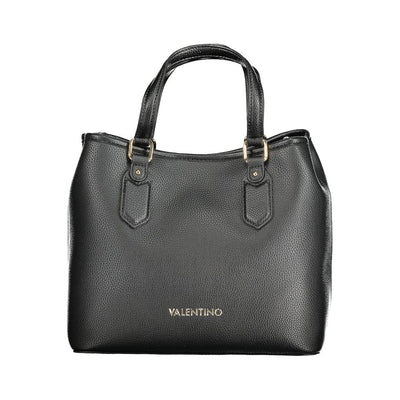
Browse Designer Bags at THE GRAY CRAB.
THE GRAY CRAB view
Resale can inform the purchase. It should never manufacture certainty where the market does not provide it.