
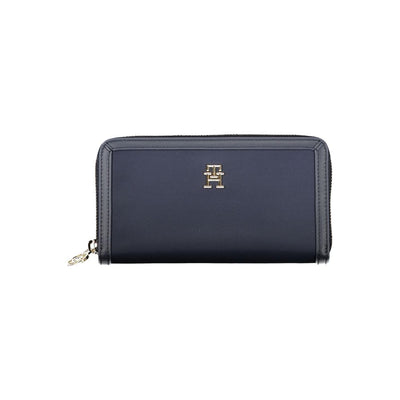


A wallet is handled too often to survive as a purely decorative purchase. It is opened, folded, compressed, pulled from bags and pockets and exposed to repeated contact every day.
The buying test is therefore unusually direct: capacity, construction, leather, edge finishing and how quietly the object performs its task.
Audit what you actually carry
Count cards, identification, cash, receipts and coins before choosing a format. A card case suits reduced carry. A bifold balances range and compactness. Zip and continental wallets provide more organisation but require more space.
Too much capacity encourages clutter. Too little stretches slots and strains closures.
Read leather for the carrying environment
Smooth calfskin can look precise and show scratches readily. Grained leather generally disguises everyday wear more effectively. Coated canvas and technical materials can also be sensible when construction is strong.
Inspect edges, slots and fold
Card-slot openings, corners, stitching, edge paint and the central fold receive concentrated stress. Edge finishing should remain even, the fold should close naturally and zips should run without catching lining.
Test the wallet loaded
Slots should hold securely without requiring force. The wallet should close with the intended contents inside. If it only looks composed when empty, the format is wrong for the user.
Features need evidence
Extra compartments, coin sections and removable inserts can be useful but add thickness and seams. Claims such as RFID blocking should be verified in the specification rather than inferred from price.
Colour changes visibility of wear
Black, graphite, navy and dark brown conceal routine handling more easily. Oxblood and forest can add controlled distinction. Pale colours make transfer and edge wear more visible.
Search questions answered
What is the most practical designer wallet? The format that matches what you actually carry.
Is grained leather better than smooth leather? Not automatically. It is often more forgiving of marks, while smooth leather offers a sharper surface.
How many cards should go in one slot? Use slots as designed. Forcing multiple cards into narrow openings accelerates stretching.
Shop the daily object
Browse Wallets and Accessories.
THE GRAY CRAB view
The best wallet disappears into daily use while keeping its shape.