
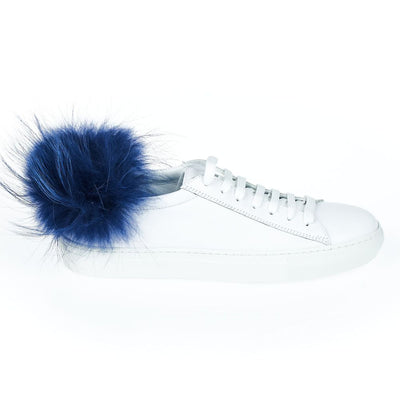
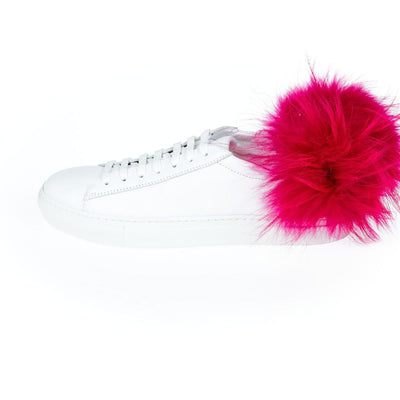
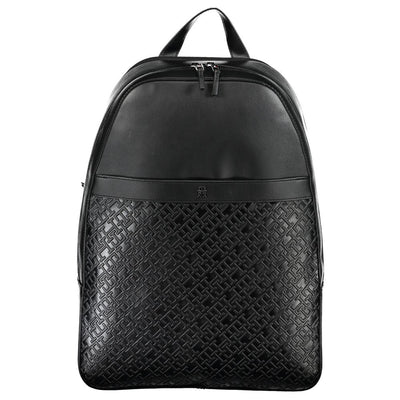
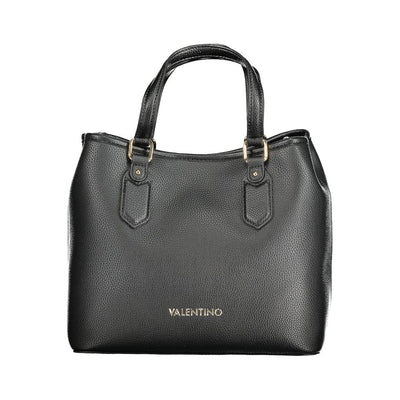


A designer bag succeeds when it continues to solve a carrying problem after the first excitement has passed. Shape, opening, weight, handle drop, strap placement and internal capacity determine that success more reliably than a recognisable silhouette viewed from across a room.
The useful buying sequence begins with the day the bag has to carry. Only after that should material, house language and resale enter the conversation.
Silhouette should follow load
A tote offers volume but can become heavy quickly. A shoulder bag balances access with a more controlled footprint. A crossbody frees the hands but concentrates weight through one strap. A clutch serves a narrow evening role. These categories are starting points rather than guarantees. Measure the largest non-negotiable object and test whether it enters through the opening as easily as the dimensions suggest.
Carry the bag at realistic weight when possible. A handle that feels elegant empty can become uncomfortable under load. Check whether the base distorts, whether the bag tips when placed down and whether the closure remains usable when the interior is occupied.
Stress points tell the construction story
Leather terminology is not a complete quality hierarchy. Smooth calfskin, pebbled leather, suede, coated materials, canvas and nylon can all be appropriate when the construction suits the role. Inspect handle anchors, strap attachments, corners, zipper ends, edge finishing, stitching, lining and the transition between the body and base.
Interior design should reduce friction. A secure pocket may matter more than several decorative compartments. Light-coloured lining can improve visibility but may show marks sooner. Dark lining hides use more easily but can make small objects harder to find. There is no universal answer, only consequences.
Price should buy a more resolved object
At lower designer prices, demand sound attachments, usable dimensions and honest material. In the middle tier, lining, hardware, edge work and carry comfort should improve. At higher prices, expect greater discipline across the entire object: material selection, balanced weight, clean construction and a credible path to repair or service where relevant.
Resale can reduce ownership cost in some cases, but it is not guaranteed. Secondary value varies by house, model, colour, condition, provenance, supply, demand and selling costs. Buy the bag on a use case that works even if the future market is indifferent.
Browse Bags by function before recognition. For a closer inspection framework, read How to Read a Luxury Handbag Before You Buy. For long-view economics, read Investment-Piece Logic: Cost Per Wear, Craft, and Resale.
THE GRAY CRAB view: a designer bag should keep making sense when the market conversation changes. Carry first. Construction second. Recognition after both.