


A cape can create immediate presence because it replaces ordinary sleeve construction with one uninterrupted line. That same simplicity makes proportion unforgiving.
The useful cape is not merely dramatic. It has the right shoulder architecture, weight, closure and arm freedom for the occasions it is expected to serve.
Shoulder and neckline carry the garment
Without conventional sleeves, the neckline and shoulder area must anchor the entire silhouette. The cape should settle without sliding backward, climbing at the throat or creating uncontrolled bulk across the upper back.
Stand, sit and move both arms while trying it on. A cape that only works in a static mirror pose is not resolved clothing.
Length determines how much of the wardrobe it can cover
A short cape can sharpen a dress, knit or tailored trouser. Mid-length versions offer more warmth but begin to compete with bags and movement. Long capes create the strongest arrival line and require the most disciplined footwear, hem management and room.
Judge length with the shoes and clothing that will actually sit beneath it.
Weight determines whether movement feels elegant or cumbersome
Wool and cashmere blends can provide structure and warmth. Lighter woven or technical fabrics can make a cape easier for travel and transitional weather. The fabric needs enough body to maintain the line but not so much mass that every doorway, chair and handbag becomes an obstacle.
Lining matters because it affects slide over tailoring, warmth and how the garment returns to position after movement.
The closure changes both function and proportion
Buttons, hidden fastenings, toggles, ties, belts and open fronts each produce a different front line. Test the closure with gloves if cold-weather wear is intended. Check whether it can be operated easily and whether fastening it causes the shoulder or neckline to distort.
Arm access is the practical test
Slits and open sides need to allow the wearer to reach a phone, open a door, carry a small bag and sit comfortably. If ordinary tasks require lifting the entire garment, the cape is solving appearance at the expense of use.
Choose the bag before buying the cape
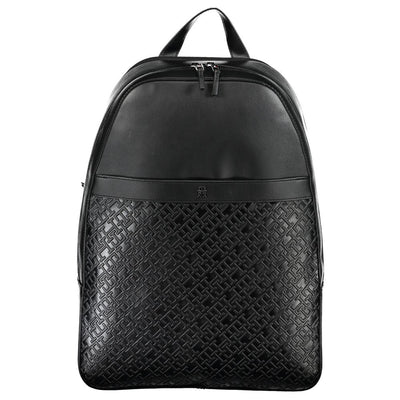
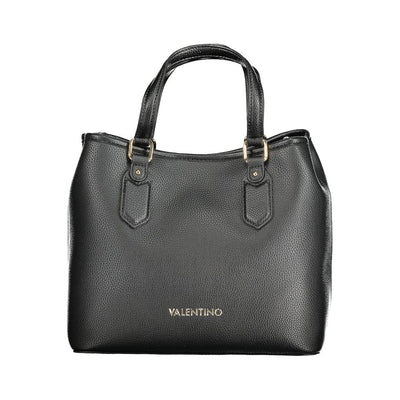
Shoulder bags can fight the uninterrupted line or become difficult under the garment. A structured top-handle, clutch or compact crossbody may integrate more cleanly depending on the cut. Test the intended bag during fitting rather than assuming compatibility.
Colour should support the architecture
Black, charcoal, graphite, ivory and midnight reinforce the cape's formal line. Oxblood can add ceremony. Deep forest works well when the garment is intended for autumn or winter use. Aubergine can carry rarity without requiring embellishment.
Do not confuse drama with investment
Future resale or appreciation cannot be assumed. A cape earns long-term value through repeat use, material, construction and a clear place in the wardrobe.
Search questions answered
Is a cape practical as a coat? It can be for moderate weather, formal arrival, travel or occasions where arm freedom and heavy carrying are not the priority.
What should be worn under a cape? A clean dress, disciplined knit or slim to straight trouser usually lets the outer silhouette remain clear.
What bag works with a cape? The best bag depends on the arm opening and length, but compact top-handle, clutch and carefully positioned crossbody styles often interfere less than a large shoulder bag.
Shop the cape note
Browse Women's Clothing and Accessories at THE GRAY CRAB.
THE GRAY CRAB view
A cape should create presence without creating work. If the wearer spends the evening managing the garment, the construction has lost the argument.