
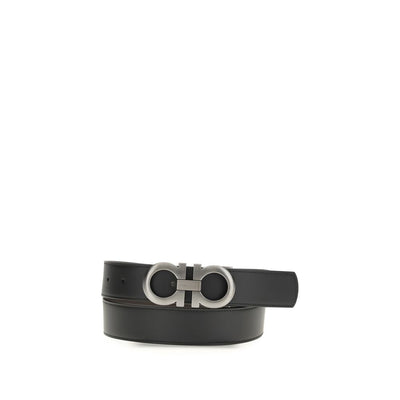
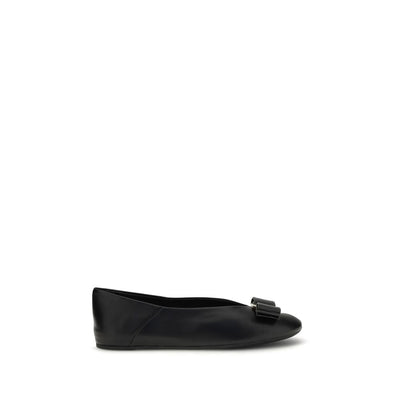


The loafer appears effortless because its engineering is quiet. Without laces to correct fit, the last, vamp, heel cup and instep relationship have to do more work. A beautiful upper on the wrong last quickly becomes either a shoe that slips or one that compresses the foot.
That is why the designer loafer should be judged in motion. Ease is not looseness. It is secure fit with fewer visible mechanisms.
The instep controls the experience
Check that the heel remains reasonably secure without the vamp pressing painfully across the instep. Some minor movement can occur depending on construction and material, but persistent lifting changes the gait and often encourages the wearer to grip with the toes. Toe room, forefoot width and the flex point still matter even in a visually simple slip-on.
Try the loafer with the sock or hosiery it will meet most often. A shoe that works barefoot may fit differently with a fine sock. Leather may soften, but the buyer should not rely on break-in to correct a fundamentally unsuitable last.
Upper, lining and sole establish the register
Smooth leather gives structure and polish. Suede softens the visual line and can feel more relaxed. Patent adds reflection and ceremony while generally offering less visual forgiveness when creased or marked. Inspect apron stitching, penny straps or hardware attachment where present, lining, heel reinforcement and edge finishing.
A slim leather sole moves naturally toward tailoring and formal trousers. Rubber can add grip and all-day practicality. Chunkier soles shift the loafer into a more casual proportion. None is inherently superior; the sole should answer the wardrobe and the ground it will actually encounter.
Price should buy cleaner ease
At lower designer prices, prioritise fit and competent construction. In the middle tier, leather selection, lining, finishing and sole integration should improve. At higher prices, expect greater refinement in the last, hand feel, balance and serviceability. Recognition is not enough if the shoe still has to be taken off halfway through the evening.
Black, dark brown, oxblood and graphite produce broad wardrobe range. Midnight can work with navy and grey tailoring; deep forest is more specific but effective when repeated elsewhere. The colour should extend the loafer’s assignments rather than narrow them.
Browse Men’s Shoes, Women’s Shoes and The Suede Shoe Edit by last, sole and intended register.
THE GRAY CRAB view: a loafer should make getting dressed simpler, not make walking harder. Its refinement begins where the foot meets the last.