


A useful footwear wardrobe is a map of the places the wearer actually goes. Eleven roles are worth understanding because they expose gaps without turning shoes into a universal checklist.
One pair may cover several assignments. Another may be highly specific. The objective is enough range for work, walking, weather, travel and occasion without buying duplicates under different names.
1. The refined daily shoe
A loafer, Oxford, flat or other controlled closed shoe that can handle repeated wear. Fit, sole, upper material and repairability matter more than whether the style is currently prominent.
2. The walking shoe
A sneaker or supportive casual shoe chosen for distance. Toe room, heel hold, cushioning, grip and the intended walking surface should be tested rather than assumed from appearance.
3. The ankle boot
Useful through transitional weather when shaft height, trouser hem and sole weight agree. Check how the boot flexes and whether the ankle opening interferes with the intended clothing.
4. The formal closed shoe
A polished Oxford, pump or similarly refined shoe chosen for the actual dress code. Formality depends on material, shape, finish and heel or sole geometry.
5. The warm-weather sandal
Leather or another substantial material can carry daytime summer dressing when the setting allows open footwear. Strap placement and footbed shape determine whether the sandal remains comfortable after several hours.
6. The evening sandal
Delicate straps and refined surfaces can work beautifully, but fastening, heel stability and walking distance still matter. Venue flooring belongs in the decision.
7. The loafer
The bridge between tailoring and ease. Smooth leather, suede, hardware and sole thickness decide how far it can travel toward business or weekend.
8. The weather-aware boot
Traction, warmth, upper material and documented weather performance matter more than rugged appearance. A fashion boot should not be assumed waterproof without specification.
9. The espadrille
A seasonal shoe for dry, warm settings. Rope or jute components need protection from unnecessary moisture, and the sole should still provide enough structure for the intended walking.
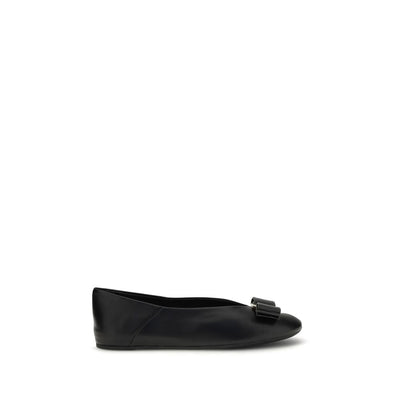
10. The flat
Ballet, slingback and other low-profile flats can solve long days when toe shape, sole support and heel security are appropriate. Flat does not automatically mean comfortable.
11. The statement shoe
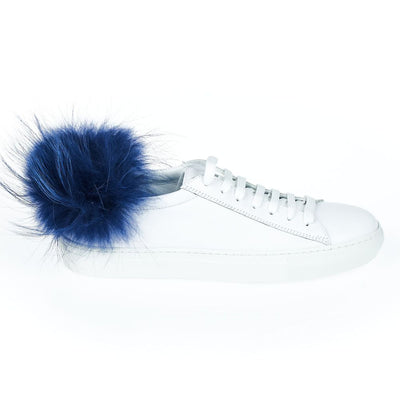
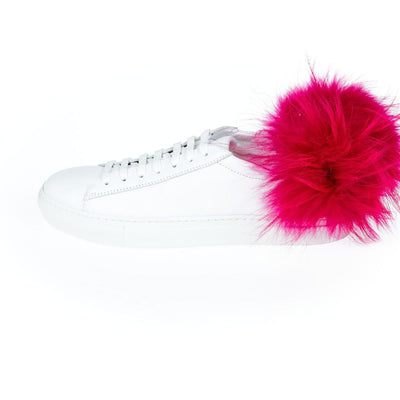
One pair can carry unusual colour, texture, heel shape or surface treatment. Give it room by keeping the surrounding wardrobe controlled.
Build by uncovered assignment
Before adding another shoe, identify what it does that the current wardrobe cannot. If two pairs solve the same room, weather and level of formality, the second purchase should have a strong reason.
Colour can create range without creating categories
Black and graphite cover formal authority. Dark brown and tobacco soften tailoring. Oxblood adds warmth. Midnight works across travel and evening. Forest can deepen autumn dressing. A single emotional colour often adds more range than another near-identical neutral.
Search questions answered
What shoes does a complete wardrobe need? There is no fixed list. Cover the roles created by your work, climate, walking, travel and formal life.
Can one pair of shoes serve several roles? Yes. A refined loafer, clean sneaker or restrained ankle boot can often cross multiple settings when construction and colour support it.
How do you avoid buying too many shoes? Buy by missing assignment rather than by style name. If the new pair duplicates an existing role, require a clear improvement in fit, material or function.
Shop by assignment
Browse Women's Shoes and Men's Shoes.
THE GRAY CRAB view
The right footwear wardrobe contains answers, not quotas. Eleven roles are useful only if the life being dressed actually asks for them.