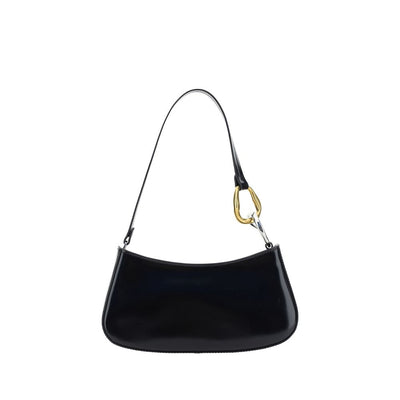

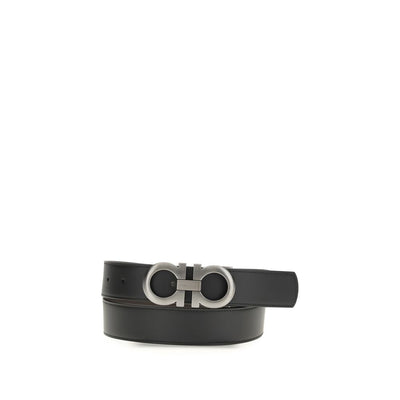
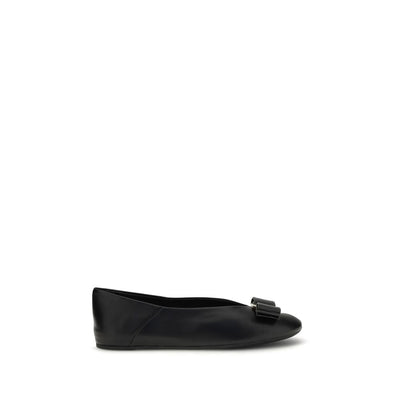
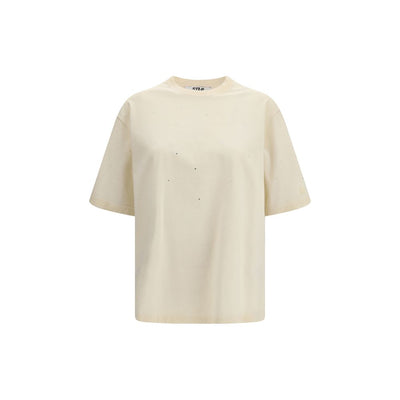
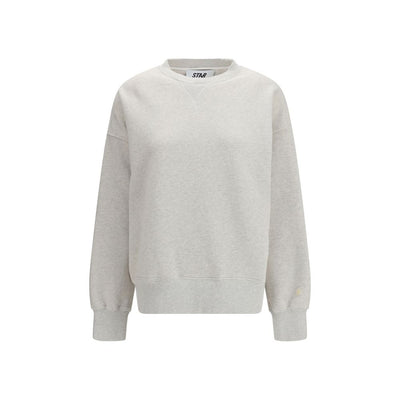


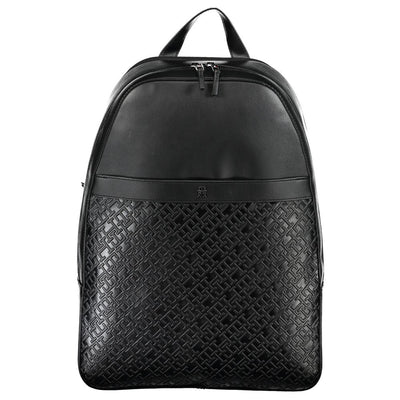
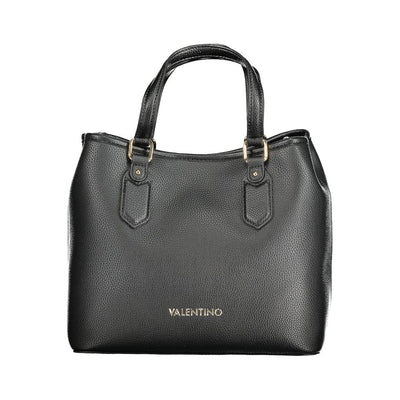
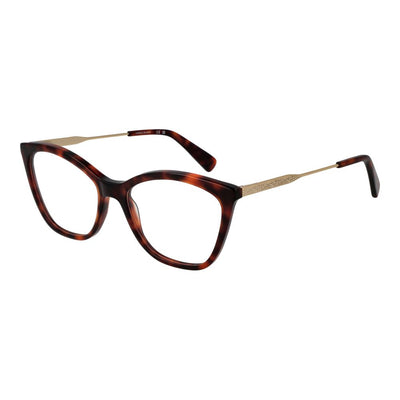


Formal dressing is easiest to understand when the room is defined first. A gala, black-tie wedding, cocktail dinner, charity event and formal work function may all be described as evening occasions, but they ask for different levels of ceremony, movement and visibility.
The strongest evening wardrobe is therefore built in order: occasion, proportion, material, movement, then accessories. Reversing that sequence usually creates an outfit with several impressive pieces and no clear hierarchy.
Read the invitation before the wardrobe
Confirm dress code, venue, time, climate and whether the event moves between spaces. A floor-length gown can be correct for one black-tie room and unnecessarily formal for another. A disciplined evening suit can be more appropriate than a dress when cut, cloth and accessories support the level of formality.
Proportion carries more authority than decoration
Column dresses, tailored suits, long skirts and composed separates succeed when the shoulder, waist, hip and hem create a clean line. The garment should sit, walk and photograph without repeated adjustment.
Try formal clothing with the actual undergarments and intended shoes. Hem, strap length, sleeve length and internal support should be resolved before the evening rather than improvised during it.
Fabric controls light
Crepe absorbs light quietly. Satin reflects it and exposes surface interruption. Velvet adds depth and seasonal weight. Silk can move beautifully but varies by weave and structure. Lace and embellishment require careful lining and placement.
Evaluate the garment in lighting similar to the venue whenever possible. Evening light can change colour, sheen and transparency materially.
Let one accessory zone lead
When the neckline is complex, reduce jewellery. When the gown carries surface work, keep the bag quieter. A strong earring may make a necklace unnecessary. A sculptural bracelet needs sleeve space. Shoes should support the hem and the duration of the event rather than operate as a separate performance.
Colour should make the register clear
Black, graphite, ivory, silver and cool grey create the structural base. Midnight introduces calm authority. Garnet or oxblood carries romance and ceremony. Aubergine adds depth without brightness. Restrained gold can appear as a small ceremonial note when it answers jewellery or hardware.
Search questions answered
How should women dress for a formal evening event? Begin with the stated dress code and venue, then choose a silhouette and material that can hold the room comfortably for the full event.
Can a suit replace a gown? Yes. An evening suit can be fully appropriate when cloth, cut, shoe and jewellery align with the occasion.
What makes formal dressing look expensive? Resolved fit, appropriate fabric, controlled accessories and a clear hierarchy are more persuasive than visible branding.
Shop the evening wardrobe
Browse Women's Clothing, Women's Dresses, Jewellery and Accessories.
THE GRAY CRAB view
Formal dressing is not a contest for attention. It is the discipline of arriving already resolved.