
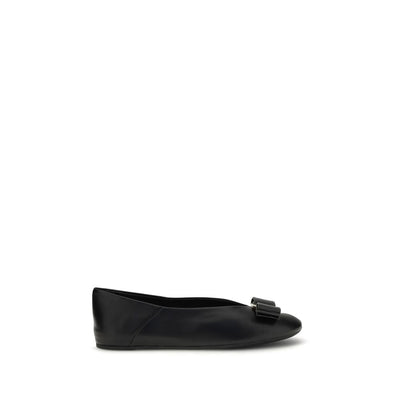


The loafer remains useful because it can lower formality without collapsing it. The same basic shoe can move from tailoring to denim depending on leather, sole, vamp, hardware and the trouser above it.
The key is to decide how formal the loafer needs to be before choosing the decorative details.
Start with the upper
Smooth leather produces the cleanest line and usually carries most easily into business or evening. Suede softens the register and works naturally with relaxed tailoring, chinos and textured cloth. Pebbled leather adds durability and visual depth while remaining less formal than a highly polished surface.
Vamp length changes the proportion
A longer, cleaner vamp tends to appear more refined. A shorter vamp exposes more of the foot and can feel more casual. Penny straps, horsebit hardware, tassels and apron stitching add different visual signals, but none should distort the underlying shape.
Sole weight decides how casual the shoe becomes
A thin leather or restrained rubber sole suits tailored trousers and more formal rooms. A heavier rubber or lugged sole adds visual weight and works with denim, knitwear and outerwear. The upper needs enough structure to support a substantial sole.
The trouser hem should reveal the shoe
Loafers depend on a clean meeting point between trouser and vamp. Excess break hides the line. An extremely short hem can make a refined loafer look casual by accident. Adjust length to the width and drape of the trouser rather than following one universal rule.
Socks set the final register
Fine socks preserve formality and can quietly relate to the trouser. Textured socks add casual interest. No-show socks can work in warm, informal settings. Bare ankles should be intentional and appropriate to the room, never a default applied to every loafer.
Fit is different from a lace-up shoe
Because there are no laces to adjust, heel hold, instep fit and vamp pressure matter greatly. The shoe should feel secure without crushing the instep or allowing excessive heel movement. Walk on the surface and with the socks normally intended.
Colour can expand the assignment
Black remains the sharpest. Dark brown is highly versatile with navy, grey and earth tones. Oxblood adds controlled warmth and works particularly well with charcoal and navy. Dark navy or restrained suede tones can soften summer and travel dressing.
Search questions answered
Can loafers be worn with a suit? Yes, when the suit, room and loafer are sufficiently refined. Smooth leather, a restrained sole and a clean trouser break make the combination easier.
Should loafers be worn with socks? Often, especially in business and formal settings. No-show socks or bare ankles belong mainly to warmer, more casual contexts.
How should loafers fit? Secure through heel and instep without painful pressure, with enough forefoot room for natural movement.
Shop the loafer note
Browse Men's Shoes and Women's Shoes at THE GRAY CRAB.
THE GRAY CRAB view
The loafer works because it knows exactly how formal it needs to be. Construction decides the answer before styling does.