

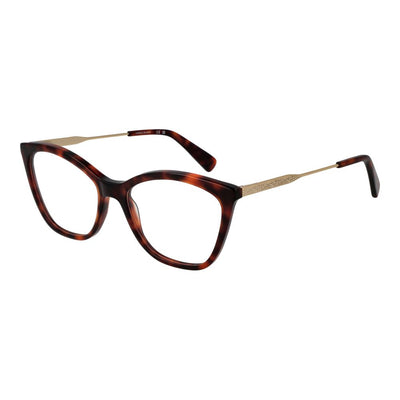
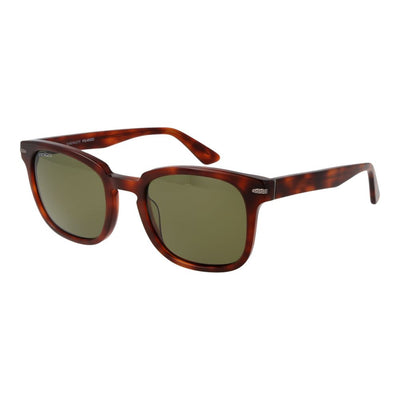


Sunglasses occupy the highest visual point of an outfit and perform a real protective function. That makes fit and lens specification more important than logo visibility.
Start with fit, not face-shape rules
Frame width, bridge fit, temple length, brow relationship and cheek clearance determine whether sunglasses sit correctly. The frame should remain level without sliding, pinching or resting heavily on the cheeks.
The bridge should support the frame rather than forcing the temples to compensate.
Read the lens specification
Appropriate ultraviolet protection is fundamental. Polarisation is separate and can reduce glare around roads, water and reflective surfaces.
Dark lens colour does not automatically mean stronger UV protection. Use the product specification rather than appearance as evidence.
Material changes weight and character
Acetate can provide colour depth and structure. Metal can create a lighter visual line. Mixed constructions work when hinges, nose pads and joining points are resolved properly.
Open and close the temples several times. Hinges should move consistently and the frame should sit symmetrically.
Oversized and narrow frames both need proportion
Large frames should not collide with cheeks or overwhelm the bridge. Very narrow frames can sharpen the face but may provide less practical coverage depending on design.
No silhouette is permanently timeless. The longest-lived frame is usually the one that continues to suit the wearer across hairstyles, coats and seasons.
Colour should support the face
Black, graphite, tortoiseshell-like browns and restrained metals provide broad range. Deep garnet, forest or aubergine can work as controlled accents when the rest of the wardrobe is quiet.
Care prevents small damage from becoming structural
Use a protective case, lens-safe cloth and appropriate cleaning solution. Avoid placing lenses against hard surfaces and avoid prolonged heat inside parked cars. Professional adjustment is preferable to repeatedly bending misaligned frames by hand.
Search questions answered
How should designer sunglasses fit? Level, secure, clear of the cheeks and properly supported across bridge and temples.
Is polarisation the same as UV protection? No. They address different functions and should be verified separately.
Are expensive sunglasses automatically better for your eyes? No. Lens specification and fit must be evaluated directly.
Shop the frame
Browse Accessories.
THE GRAY CRAB view
The best sunglasses frame the wearer before they advertise themselves.