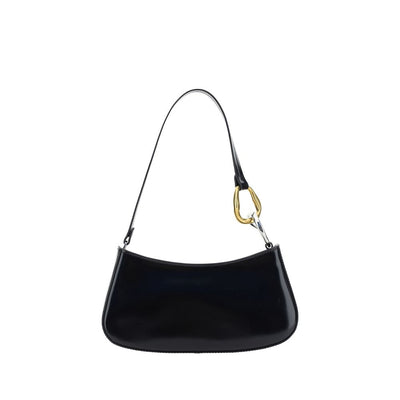

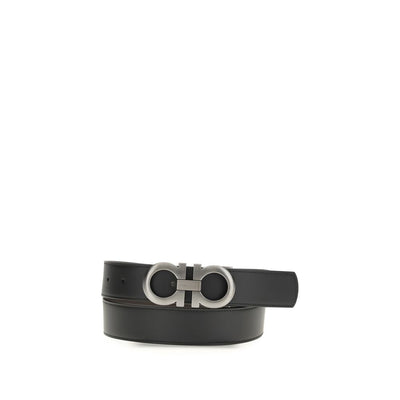
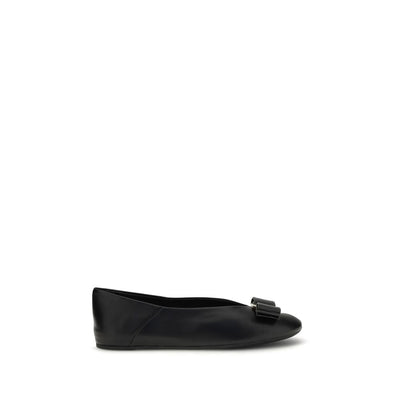
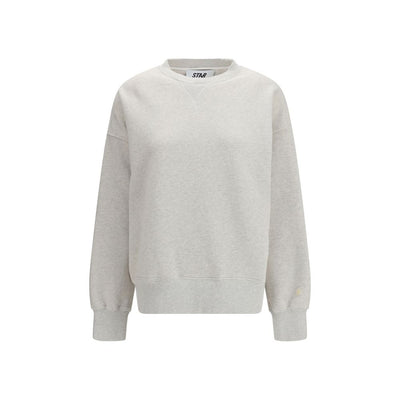
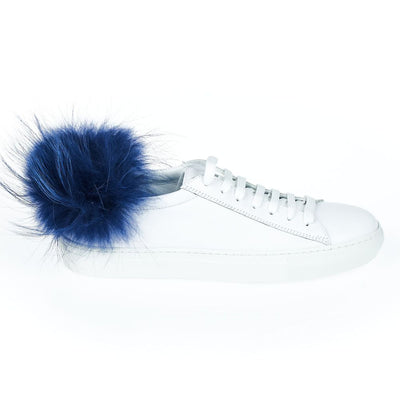

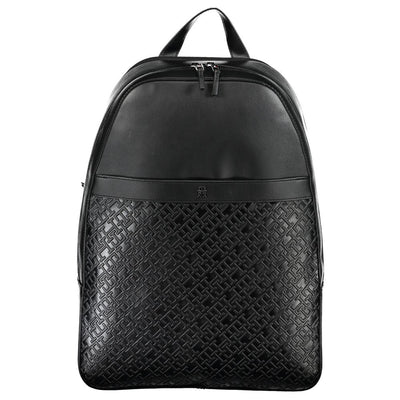
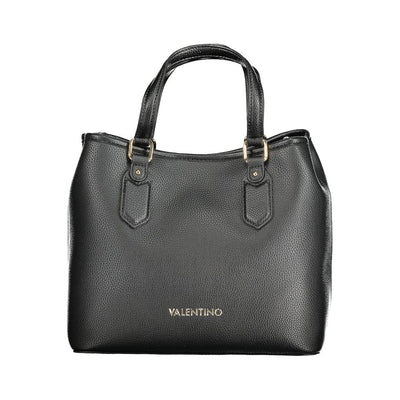


Trussardi's history begins in Bergamo in 1911 with glove making and leather goods. That heritage explains why leather remains a useful lens through which to read the house, but history should never be treated as a quality guarantee for every product carrying the name.
The disciplined approach is simple: respect the provenance, then inspect the object in front of you.
Heritage provides context, not exemption from scrutiny
A century of association with leather can establish design vocabulary and institutional knowledge. Contemporary products, licensing arrangements, manufacturing methods and materials can still vary by category and period.
Judge each bag, belt, wallet, glove or shoe on its own specification and construction.
Identify the leather before judging the finish
Smooth, grained, suede and coated surfaces age differently. Look for material information where available and inspect whether the chosen finish suits the object's intended use. Softness alone is not proof of quality.
Edges reveal repeated handling
On bags and wallets, inspect edge paint, folded edges, corners and openings. On belts, examine holes, keeper loops and the fold around the buckle. On gloves, look at finger seams and the transition between palm and cuff.
These are the areas most likely to expose weak finishing or accumulated wear.
Hardware should support the leather
Buckles, zips, rings, snaps and clasps should feel proportionate and operate cleanly. Heavy hardware attached to insufficiently reinforced leather can create distortion over time.
Stitching should follow stress
Consistency matters, but placement matters more. Look for reinforcement where handles, straps and closures transfer load. Decorative stitching cannot compensate for poor structural decisions.
Colour can reference heritage without becoming nostalgic
Black, dark brown and graphite keep leather precise. Oxblood is particularly natural for a leather-led house because it introduces warmth without sacrificing authority. Forest can add depth to bags and small leather goods. Midnight works when a cooler register is preferred.
Sourcing and sustainability claims require current evidence
Recycled content, organic fibres, ethical labour, traceable leather and other environmental or social claims should be tied to current company or product documentation. Italian origin and heritage do not establish those facts on their own.
Search questions answered
What is Trussardi known for? The house has historic roots in Bergamo and glove making, later expanding through leather goods and broader fashion categories.
Does Trussardi heritage guarantee leather quality? No. Heritage provides context, while the specific leather, construction, finishing and condition still need inspection.
What should be checked on a Trussardi leather bag or wallet? Leather type, edges, stitching, lining, hardware, closures and the stress points created by handles or repeated opening.
Shop the leather note
Browse Accessories at THE GRAY CRAB.
THE GRAY CRAB view
Heritage deserves respect. The product still has to earn the purchase in the present tense.