


The word "trend" has been emptied of meaning. It now describes anything that appeared in more than one collection in a given season, which is to say it describes almost everything. A real trend is not a colour or a silhouette that repeats. It is a shift in the way the houses think about dressing, visible across fabrics, proportions, and the relationship between the garment and the body.
Here is what the houses are wearing now, read across the collections that matter.
Movement One: Soft Construction
The structured shoulder that defined the last several years is giving ground to a softer line. The jacket is still present, but it sits closer to the body. The shoulder is natural rather than built up. The fabric moves with the wearer rather than holding a shape independent of the body underneath.
At Hermes, this appears as a deconstructed blazer in lightweight wool with a half-canvas interior and no shoulder padding. The jacket is still a jacket. It still communicates authority. But it does so through the quality of the cloth and the precision of the cut rather than through the architecture of the shoulder. The man wearing it looks comfortable in a way that a man in a heavily padded jacket cannot.
Tom Ford, who built his reputation on sharp, assertive tailoring, has moved toward a softer silhouette in recent seasons without abandoning the precision that defines the house. A Tom Ford jacket in unlined cashmere with a natural shoulder and a slightly shorter length is still unmistakably Tom Ford. The difference is in the way it sits. It follows the body. It does not command it.
Movement Two: The Return of Brown
Black has dominated luxury for a decade. It is the default. It is the safe choice. It is also, increasingly, the choice that communicates that the wearer did not consider the alternatives. Brown is returning as the colour of the man or woman who made a decision.
Ferragamo has been building in brown for decades, and the house's current collection leans into it. A Ferragamo suit in dark brown wool with a faint windowpane check is richer than navy, warmer than charcoal, and more interesting than both. Brown leather accessories, a belt, a pair of shoes, a bag, complete the look without matching it too precisely. The rule is simple now: brown leather with brown tailoring. Black leather with black tailoring. The mixing of brown and black, once forbidden, is now seen in the collections, but it requires a level of confidence that most wardrobes cannot support.
Movement Three: The Silent Accessory
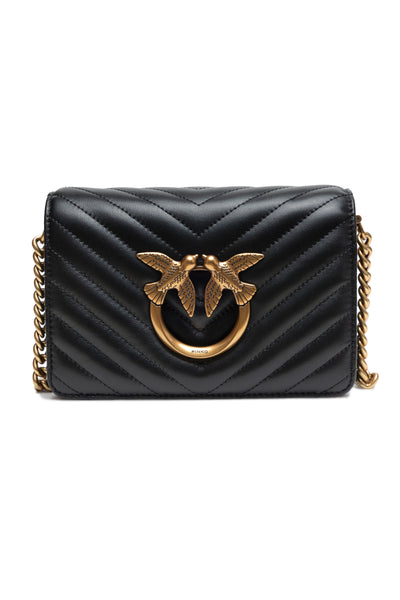
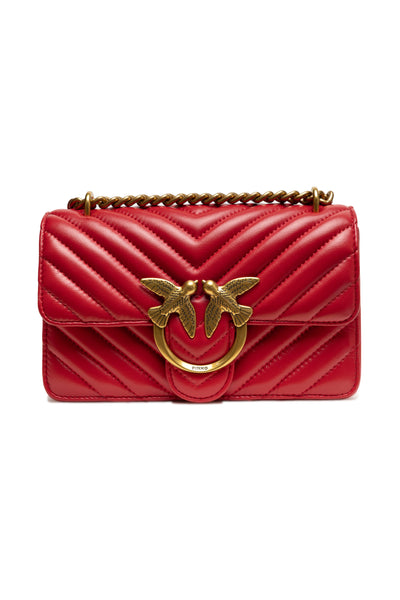
Loud accessories are receding. The oversized logo belt buckle, the bag with the house name printed across the front in block capitals, the shoe with the recognisable pattern across the entire upper: these are being replaced by objects that communicate quality without announcing the brand.
Bottega Veneta has been ahead of this movement for years. The intrecciato weave is instantly recognisable to anyone who knows the house, but it carries no logo. A Bottega Veneta bag in intrecciato nappa with no visible branding communicates exactly what the house intends: that the person carrying it values the object over the name on the box.
Patek Philippe and Rolex occupy the same space in watches. A Patek Philippe Calatrava in rose gold with a cream dial is legible as a fine watch to anyone who looks closely, but it does not announce itself from across the room. A Rolex Datejust in stainless steel with a fluted bezel is more recognisable but no less restrained. Both watches communicate the same thing: the wearer chose the object, not the logo.
Movement Four: The End of the Seasonal Wardrobe
The most significant shift in luxury fashion is not a colour or a cut. It is the collapse of the seasonal wardrobe. The houses are building clothes that work across seasons: lightweight wool that breathes in summer and layers in winter, leather that develops a patina through all four of them, accessories that are not tied to a particular month or a particular trend cycle.
This is good for the buyer. It means the jacket purchased in March works in October. It means the bag bought this year will not look dated next year. It means the investment in quality, which has always been the argument for buying from houses that build things to last, now extends across the calendar as well as across the years.
What luxury is wearing now is not a set of items to copy. It is a way of thinking about dressing that prioritises material over decoration, proportion over novelty, and longevity over the calendar. The houses that understand this, Hermes, Ferragamo, Tom Ford, Bottega Veneta, Patek Philippe, Rolex, are the houses whose clothes and accessories will still look correct when the current season is a memory.
For the tailoring, accessories, and pieces referenced here, browse the Men's collection, the Women's collection, and the Accessories collection at The Gray Crab.