
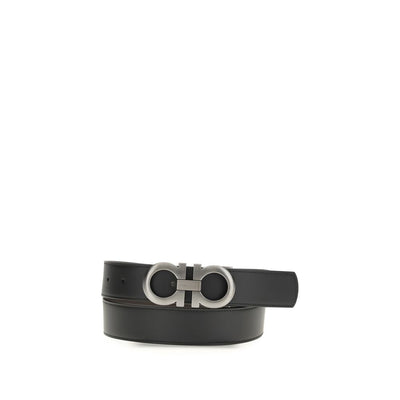


An accessory earns permanence when it solves a recurring problem so well that reaching for it becomes automatic. That is a higher standard than recognition, novelty or price.
The pieces worth keeping tend to sit at the wardrobe’s pressure points: the bag carried most, the belt that fixes proportion, the scarf that changes colour near the face, the watch that survives ordinary days, the jewellery that works without negotiation.
Start with frequency, not fantasy
Review what is actually used across work, travel, weekends, dinners and formal occasions. Repetition reveals where the wardrobe needs stronger objects and where another purchase would only duplicate an existing role.
A frequently used cardholder or belt can deserve more attention than an occasion piece worn once a year because material, hardware and construction are being tested constantly.
Material should match the assignment
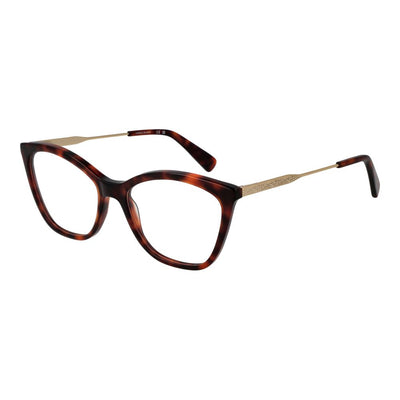
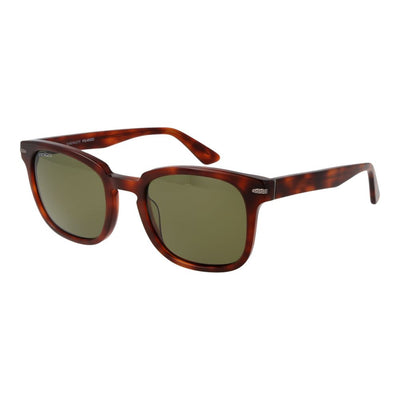
Leather needs enough structure for the way it is carried. Silk needs appropriate scale and finishing for the way it is tied. Metal needs a surface that can tolerate expected contact. Eyewear needs hinges and lenses suited to repeated handling.
Do not confuse delicacy with refinement. A beautiful material can still be the wrong material for the life the object is expected to lead.
Proportion creates repeatability
Scale determines how many rooms an accessory can enter. An oversized bag may be excellent for travel and wrong for dinner. A broad belt can transform one silhouette while a narrow belt works across several. A large cuff can be memorable and still be less versatile than a restrained bangle.
The goal is not to make every accessory neutral. It is to understand the range each proportion creates.
Hardware should disappear into use
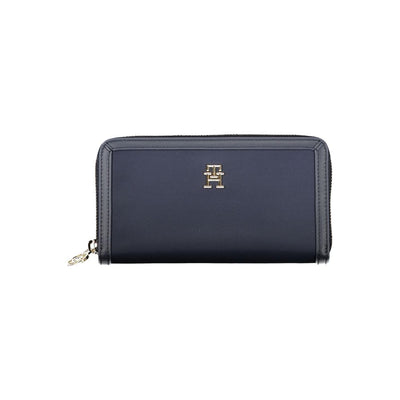
Zips, clasps, hinges, rings, buckles and closures should operate reliably and feel proportionate to the object. Hardware that catches, opens unpredictably or adds unnecessary weight turns ownership into maintenance.
Inspect stress points closely, especially on frequently handled leather goods and jewellery.
Colour should carry a clear role
Black, charcoal, graphite, silver, white and cool grey provide the structural base. Oxblood or garnet adds warmth and affection. Midnight or sapphire introduces composure. Forest can mark growth or milestone. Deep plum or aubergine adds rarity when the rest of the wardrobe remains restrained.
Colour earns longevity when it gives the wardrobe a function it did not already have.
Condition is part of design
An object worth keeping should be maintainable. Clean storage, appropriate repair, sensible rotation and material-specific care preserve shape and function. A loose hinge, stretched slot or failing edge finish should be addressed before damage compounds.
Edit by role
When two accessories perform the same assignment, keep the one with better material, proportion, condition and ease of use. The point of a considered wardrobe is not maximum variety. It is enough range with less redundancy.
Search questions answered
What accessories are worth investing in for a wardrobe? Prioritise the pieces used most often and judge them by material, construction, proportion and repairability rather than promised resale.
How many accessories does a wardrobe need? There is no useful universal number. Cover the roles your life requires, then remove duplication.
What accessory colours are easiest to keep long term? Structural neutrals offer the widest range, while one or two controlled emotional colours can add depth without reducing versatility.
Shop the considered edit
Browse Accessories at THE GRAY CRAB.
THE GRAY CRAB view
Permanence is not a style category. It is what remains after novelty has left and usefulness is still intact.