


A couture-level gown should be chosen for the room before it is chosen for the mirror. Entrance, seating, stairs, lighting, weather, photographs and the length of the evening all affect whether a beautiful garment actually works.
The discipline is control: where the gown holds, where it releases, how it moves and whether the wearer can stop thinking about it once the event begins.
Define the occasion precisely
Black tie, white tie, a wedding, gala, private dinner and destination celebration do not ask for the same level of formality. Consider venue architecture, time of day, expected movement and whether the event moves between indoor and outdoor spaces.
The most dramatic gown in the room is not automatically the most appropriate one.
Begin with bodice security
The bodice should stay in position while standing, sitting and walking. Straps should carry their intended load without cutting. Strapless construction should remain secure without constant upward adjustment. Boning, internal support and closure placement should work with the body rather than against it.
If the gown requires repeated correction in the fitting room, assume the problem will become more visible during the event.
Read the waist, hip and skirt as one line
A defined waist, dropped waist, column, A-line or full skirt changes the body differently. The transition between bodice and skirt should look intentional, with no unexplained pulling, pooling or collapse.
Volume needs enough structure to hold its architecture and enough movement to avoid appearing static.
Fabric determines light and movement
Satin reflects light and reveals surface interruption quickly. Crepe gives a quieter, more authoritative line. Silk can move beautifully but varies greatly by weave and weight. Lace requires careful placement and lining. Organza and tulle can create volume when the construction gives that volume a reason.
Judge the gown under lighting similar to the event whenever possible. A surface that appears restrained in daylight may become highly reflective at night.
Colour should answer the emotional register
Black and graphite create authority. Ivory and cool neutrals bring clarity but expose construction. Midnight reads composed. Garnet or oxblood carries romance and ceremony. Forest can suit milestone occasions. Aubergine introduces depth without requiring excessive embellishment.
Colour should support the room and wearer before it supports the photograph.
Resolve alteration early
Hem, bust, waist, straps, closure and internal support should be assessed with the intended shoes and undergarments. Train length should be tested on stairs and through turns. If a bustle or lift system is needed, the wearer should know how it operates before the event.
Accessories should finish rather than rescue
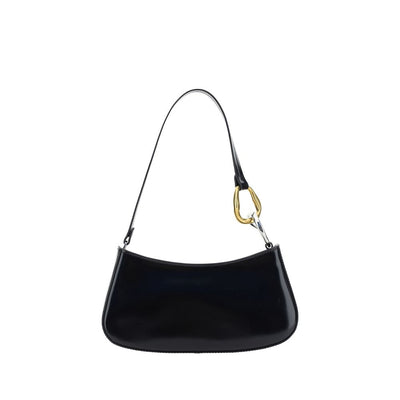
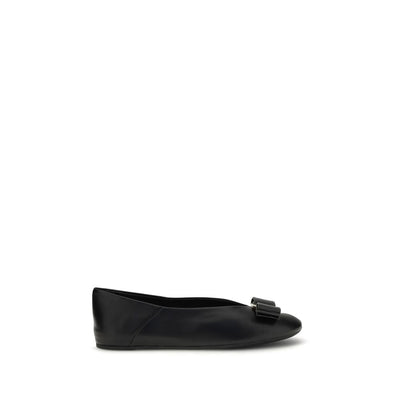
Once the gown has enough visual authority, jewellery, bag and shoe should establish hierarchy. If the neckline is complex, reduce jewellery. If the gown carries heavy surface work, keep the bag quieter. If the hem is long, choose shoes for stability as well as appearance.
Search questions answered
How should a formal gown fit? Secure through the bodice, resolved through waist and hip, and long enough for the intended shoe without compromising movement.
When should gown alterations be done? Early enough to allow a second fitting and movement test with the actual shoes and undergarments.
What fabric works best for an evening gown? There is no universal best fabric. Choose according to structure, movement, lighting, climate and the degree of formality required.
Shop formal dressing
Browse Women's Dresses and the broader Women's Edit.
THE GRAY CRAB view
The best gown feels calm because the difficult decisions were resolved before the room ever saw it.