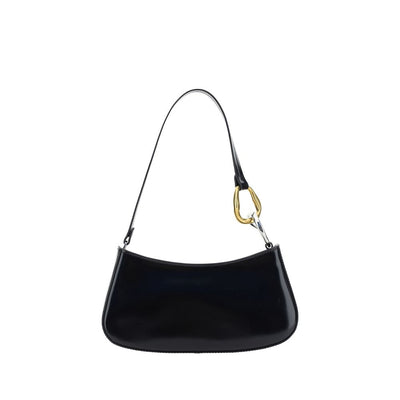

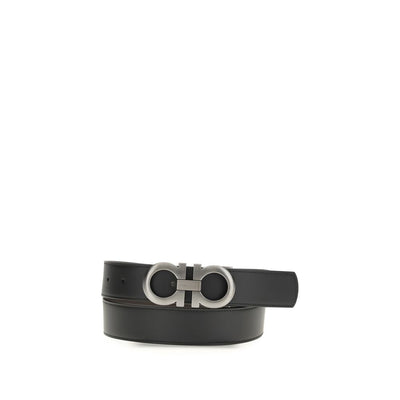
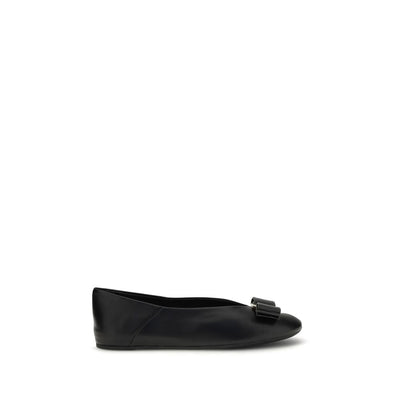
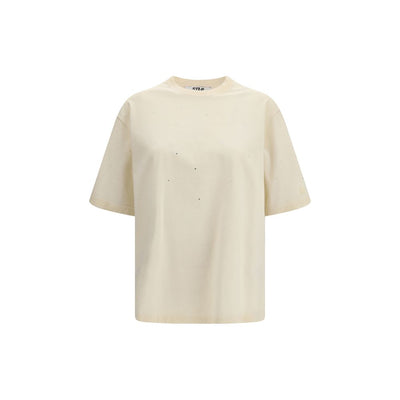


There is a point in a serious jewellery purchase when the name on the box becomes less useful than the object in the hand.
A recognised house can provide design language, service history and market recognition. It cannot tell you whether a particular ring is comfortable, whether a clasp is secure, whether a setting has been maintained or whether the price is justified by the object itself.
Begin with the metal
Metal influences weight, colour, softness, maintenance and how a piece behaves against the body. Gold purity may be expressed in karats or fineness. Sterling silver is commonly marked 925. Platinum has its own density and wear characteristics.
Higher purity is not automatically better for every use. Alloy composition and construction matter, especially for rings, hinges, links and other parts exposed to repeated stress.
Turn the jewellery over
Inspect solder joins, hinges, clasps, links, the backs of settings and transitions between decorative and structural elements. Areas not designed for display should still appear coherent.
Small variations can occur in hand-finished work. The useful question is whether they belong to making or indicate damage, repair or weak execution.
Stone setting is engineering in miniature
Prongs should secure stones without appearing damaged or unnecessarily heavy. Bezels should meet the stone cleanly. Pavé should appear coherent, with no obvious gaps or loose stones.
Laboratory reports can document characteristics of certain gemstones. They provide evidence, not a complete judgement of beauty, suitability or future value.
Weight should make sense on the body
A substantial cuff can appropriately carry weight. An earring that pulls painfully has failed a practical test. Hollow construction can be entirely legitimate when properly engineered and disclosed.
Try jewellery while moving. Turn the wrist, move the head, fasten the clasp yourself and notice whether the object remains comfortable.
Provenance should be specific
Receipts, service records, certificates, archival references and credible authentication can strengthen provenance. Claims about artisan methods, exact workshops, historical ownership or sourcing should remain uncertain when evidence is absent.
Repairability belongs in the purchase
Ask whether clasps can be serviced, stones reset, links repaired and surfaces maintained. For signed jewellery, determine whether independent work could affect future house service or authentication.
Resale is context, not underwriting
Some signed designs and rare specifications maintain strong secondary demand. Others do not. Condition, material, fashion cycles, provenance, selling costs and collector interest all affect outcomes.
The object should still justify ownership if nobody publishes tomorrow's resale price.
Search questions answered
What should you check before buying fine jewellery? Material, construction, condition, comfort, documentation and serviceability.
Is designer jewellery worth the price? Sometimes. Design, material, workmanship, rarity, aftercare and use all contribute. The logo alone cannot answer the question.
Does fine jewellery hold its value? Some pieces do, but future secondary-market performance is uncertain.
Shop the jewellery study
Browse Jewellery at THE GRAY CRAB.
THE GRAY CRAB view
A label can open the conversation. The object has to finish it through what can be examined, worn and maintained.