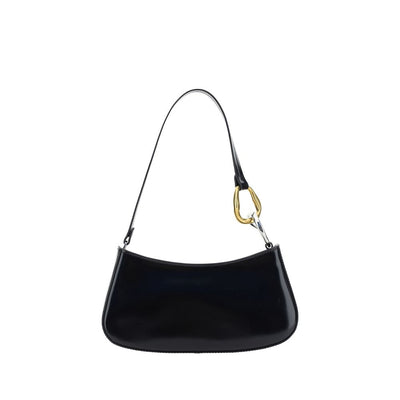

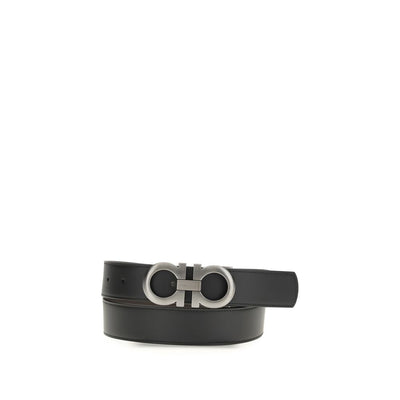
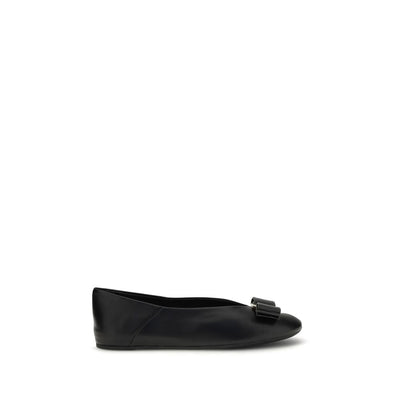
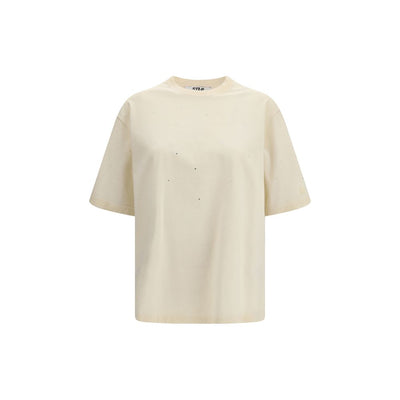



Turn a bag, belt or wallet sideways and the edge often tells you more than the logo. It is where layers meet, leather is cut and repeated movement begins to expose whether the finish was applied with control.
Many leather goods seal cut edges with a flexible coating commonly described as edge paint. Others use burnished, folded or differently finished edges. None is automatically superior. The relevant question is whether the treatment suits the construction and survives the places where the object bends and carries weight.
Read the stress points first
Long straight edges can remain pristine because they barely move. Strap folds, handle bases, belt holes, flap bends, corners and small leather tabs provide more useful evidence.
A well-executed painted edge should appear controlled rather than thick, gummy or brittle. It should follow curves without obvious pooling and remain attached where layers meet.
Wear has a pattern
A polished corner is different from a crack travelling through a flex point. Surface abrasion differs from paint lifting in sheets. A nick at an exposed edge can be ordinary; repeated splitting at a handle attachment deserves more attention because the area is structural.
On pre-owned pieces, edge condition can help explain use. Read the pattern rather than turning one flaw into a verdict.
Price raises the standard, not the laws of wear
An expensive object is not expected to remain untouched forever. It is reasonable, however, to expect finishing and construction appropriate to the price. Higher cost should sharpen inspection rather than discourage it.
Across every price tier, inspect the object itself: edge consistency, layer adhesion, flex points and whether repair is possible if the finish eventually fails.
Care before repair
Edge paint is not simply exposed leather, so routine conditioner should not automatically be rubbed across it. Oils, solvents and aggressive polishing can affect coatings differently.
Remove surface dust gently, avoid soaking and keep unnecessary products away from the painted line unless the maker provides specific guidance.
When cracking is extensive, coating is lifting, substrate is exposed or the damaged area carries weight, use a leather specialist. Painting over a failing surface can hide the problem without restoring the construction beneath it.
Search questions answered
What should good leather edge paint look like? Even, controlled, firmly attached and flexible enough to follow the object's intended movement.
Is cracked edge paint normal? Minor abrasion can occur with use. Long cracks, lifting and exposed substrate indicate a more significant finishing or repair issue.
Can leather conditioner repair edge paint? No. Edge coating and leather grain are different surfaces and may require different treatment.
Continue the leather study
THE GRAY CRAB view
The edge is a minor detail only until it starts explaining the entire object. Read it before the logo.