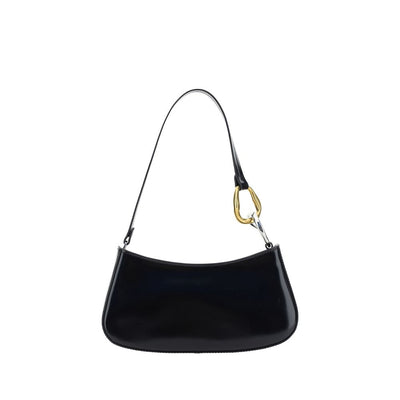

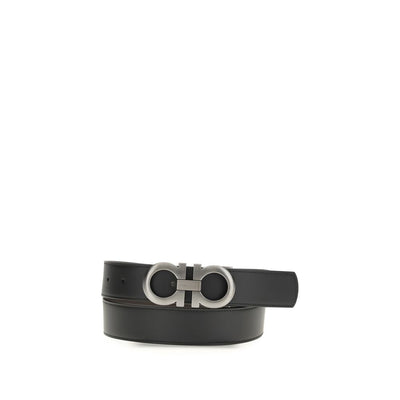
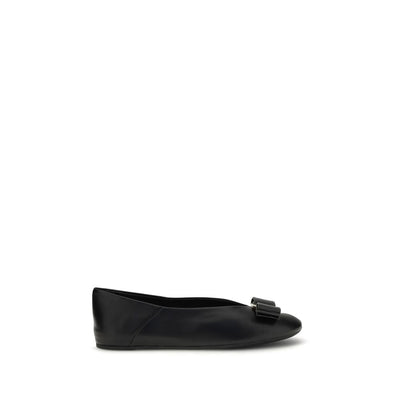
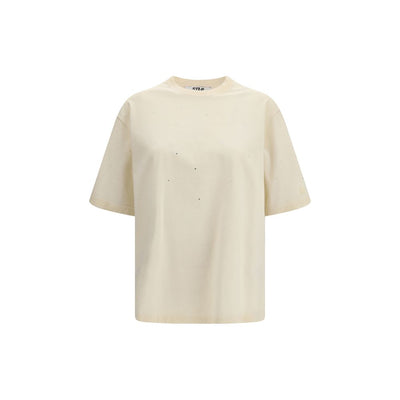



Couture and ready-to-wear are not expensive and less expensive versions of the same production system. They begin from different premises: one is organised around an individual client, the other around translating design into standardized sizes and repeatable production.
Understanding the distinction makes it easier to judge garments without assuming that either label automatically guarantees quality.
Haute couture is a specific French designation
In the formal Paris context, haute couture is a protected designation governed through institutional criteria. Eligible houses create made-to-measure garments for private clients, involving fittings and substantial specialist work.
The term should therefore not be used casually as a synonym for any expensive or highly decorated dress.
The client is part of couture construction
Fit develops through fittings rather than selection from a standard size alone. Proportion, internal support, hem, balance and finishing can be adjusted around the individual wearer.
That specificity is one reason couture can solve complex silhouettes that would be difficult to reproduce identically across a broad size run.
Ready-to-wear begins with a size system
Ready-to-wear is produced in standardized sizes and quantities. It can still involve exceptional cloth, sophisticated pattern cutting, hand finishing and specialist construction. Industrial repeatability is not synonymous with poor craft.
Pattern engineering becomes critical at scale
A ready-to-wear design must preserve its intended line across multiple sizes. Grading, seam placement, ease and material behaviour determine how successfully the idea survives beyond the sample garment.
Alteration sits differently in each system
Couture expects fitting as part of the process. Ready-to-wear alteration occurs after a standardized garment has been selected. Before buying, inspect seam allowance, hem depth, waistband construction and whether the garment can be adjusted without disrupting pockets, embellishment or proportion.
Price cannot replace inspection
In either category, examine fabric, lining, seam finish, pattern matching, closures, reinforcement, drape and comfort. A category name describes a production system, not whether a specific garment suits a specific body.
Colour and surface work are not category definitions
Black, ivory, garnet, midnight or any other colour can appear in couture or ready-to-wear. Embroidery, beading and elaborate surfaces can also exist in both. What changes is the production relationship, not a prescribed aesthetic.
Search questions answered
What is the difference between haute couture and ready-to-wear? Haute couture in the formal French system is made for individual private clients through fittings under specific house criteria. Ready-to-wear is produced in standardized sizes and quantities.
Is ready-to-wear machine made? It can combine industrial processes with substantial handwork. Production method varies by garment and house.
Is couture always better quality? Couture permits extraordinary specificity and labour, but the useful judgement still concerns execution, fit and the needs of the wearer.
Shop the clothing note
Browse Women's Clothing and Men's Clothing.
THE GRAY CRAB view
Couture removes ordinary production constraints. Ready-to-wear tests whether design discipline can survive them.