
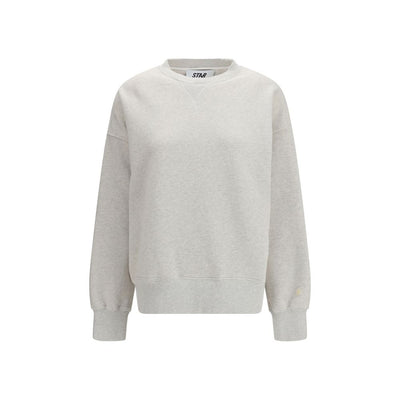
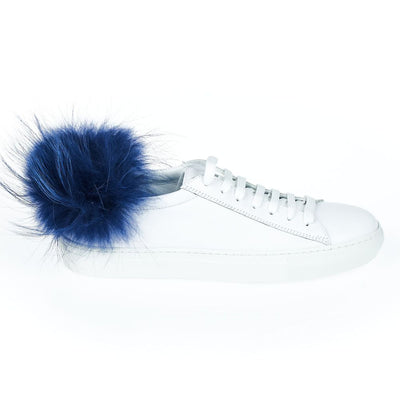
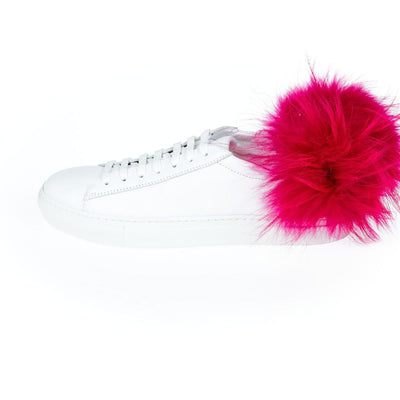
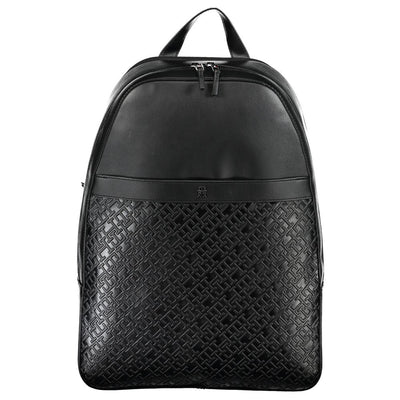


An accessory is not merely what gets added after the clothes are chosen. It can change the proportion, emphasis, colour and function of the entire outfit because it sits exactly where the eye tends to check: face, waist, wrist, hand, shoulder or foot.
The useful question is therefore not what else can be added. It is what decision remains unresolved.
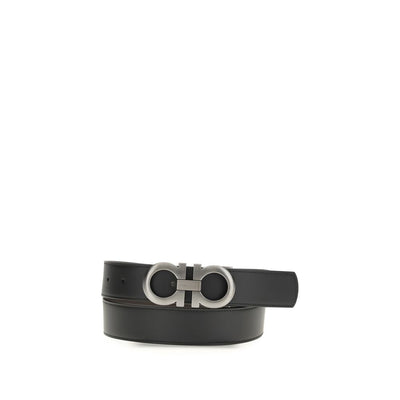
If the waist is unresolved, consider the belt
A belt can define, interrupt or lengthen proportion depending on width, colour and placement. Match its scale to the garment rather than automatically matching it to the shoe.
Strong buckle hardware should be treated as visible jewellery and coordinated accordingly.
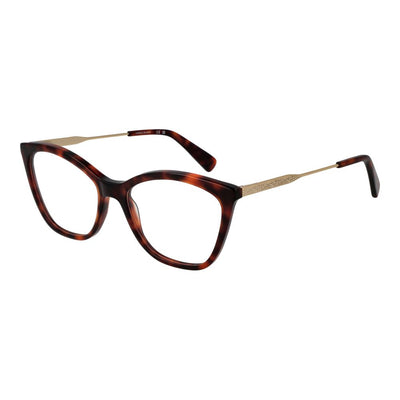
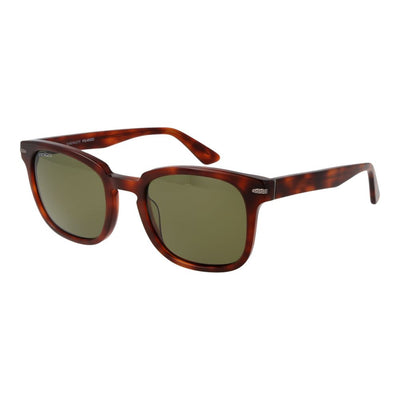
If the face needs structure, consider eyewear
Sunglasses alter facial geometry more than most jewellery. Frame width, bridge and lens shape can sharpen or soften the entire look. When eyewear is visually dominant, earrings may need to become quieter.
If the neckline needs emphasis, choose jewellery deliberately
A pendant can create a vertical line. A short necklace can frame an open neckline. Earrings can carry attention upward when the neckline is already complete. Avoid filling every available space simply because jewellery is available.
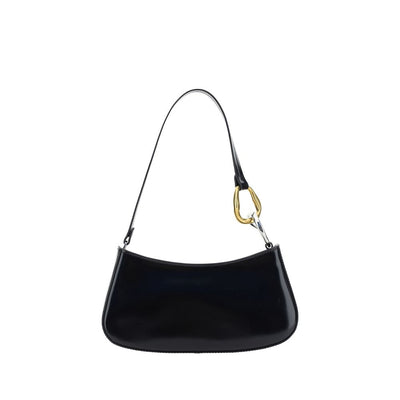
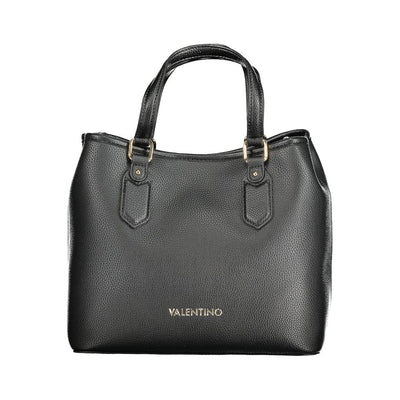
If the silhouette needs weight, consider the bag
A structured bag can give authority to fluid clothing. A soft bag can relax tailoring. Scale matters: a very large bag changes the apparent width of the body and the formality of the outfit.
Function remains non-negotiable. The bag must still carry what the day requires.
If the outfit needs colour, place it where it can be controlled
A scarf, bag, belt or small leather good can introduce emotional colour without changing the entire wardrobe. Garnet or oxblood brings warmth and affection. Midnight or sapphire signals composure. Forest adds grounded depth. Aubergine creates rarity. Keep the larger structure in black, charcoal, graphite, silver, white or cool grey when the accent needs to remain disciplined.
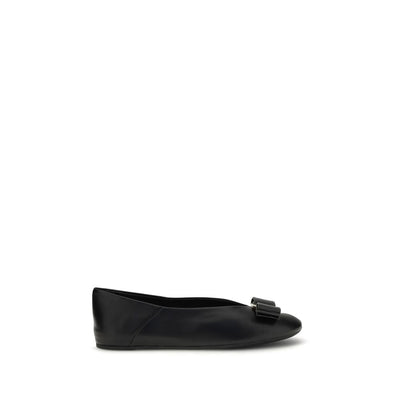
If the outfit needs formality, change the shoe
Footwear can move the same trouser, dress or skirt toward work, travel, weekend or evening. Material, toe shape, sole weight and heel geometry often change the register more efficiently than adding another decorative object.
Use hierarchy across all accessories
When the bag leads, jewellery can recede. When the earrings lead, give the neckline space. When the belt carries strong metal, let other hardware relate rather than compete. Two focal points can work. Five usually cannot.
Function is the final veto
A bracelet that prevents typing, eyewear that slides, a bag that cannot carry essentials or shoes that compromise movement are not successful finishing decisions. Styling theatre ends where usability fails.
Search questions answered
How do accessories change an outfit? They alter proportion, emphasis, colour, formality and function at high-visibility points such as the face, waist, wrist, shoulder and foot.
How many statement accessories should be worn at once? There is no fixed number, but hierarchy should remain clear. Usually one dominant piece and one supporting signal are easier to control.
Do accessories need to match? No. They need a coherent relationship in scale, metal, colour or formality rather than exact duplication.
Shop the decision
Browse Accessories at THE GRAY CRAB.
THE GRAY CRAB view
The accessory is not the final flourish. It is often the decision that makes the rest of the outfit make sense.