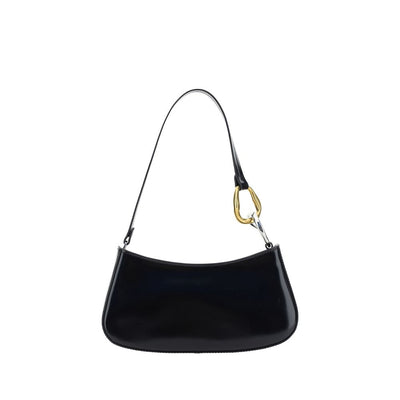
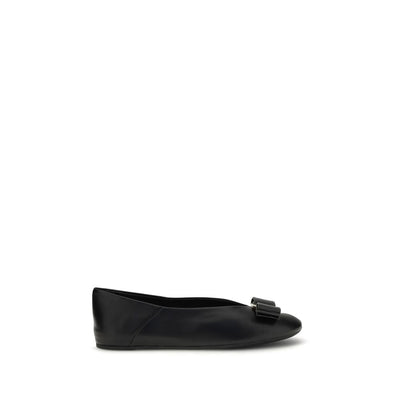
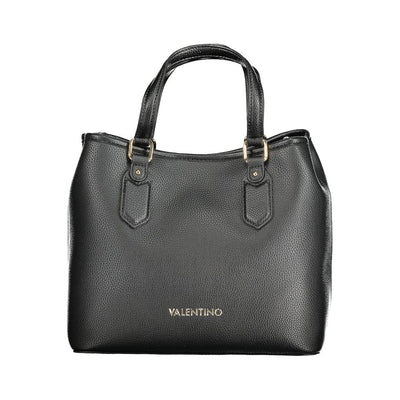
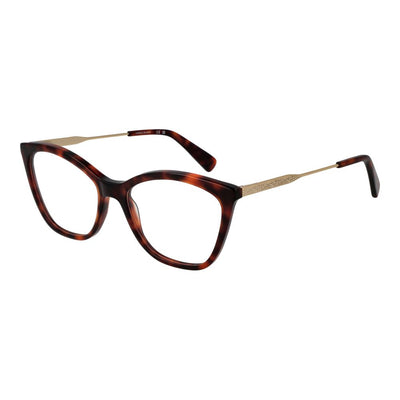
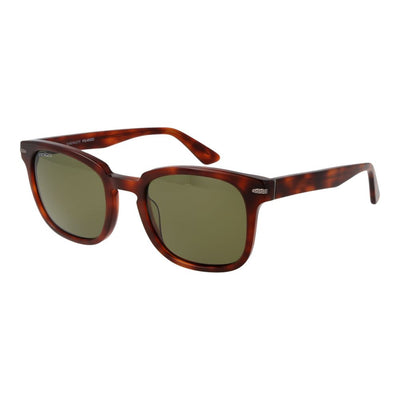
Accessories are small only in square inches. In the line of an outfit, they occupy the most exposed positions: the waist, the face, the neck, the hand. That is why a weak belt, scarf or frame can make considered clothing feel unresolved.
The buyer tension is rarely a lack of choice. It is the opposite. Designer accessories are easy to overbuy because they appear to carry less commitment than a coat or shoe. The result is a drawer full of recognisable objects with no clear relationship to the wardrobe.
The better approach is to treat accessories as architecture. Each one should solve proportion, colour, function or occasion before it adds personality.
Belts define the middle of the silhouette
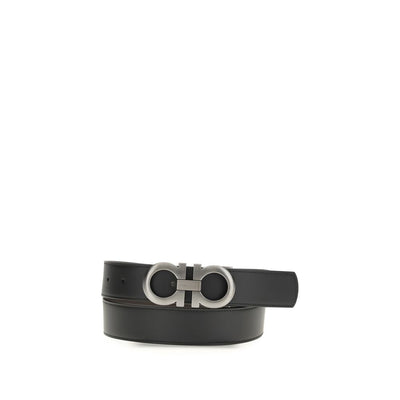
A belt cuts horizontally across the body. Width, buckle scale and leather finish therefore affect the entire line. With tailored trousers, a restrained belt generally works best because the trouser and jacket are already doing structural work. With denim or casual trousers, a wider or more textured belt can carry more presence.
Leather tone does not need to match the shoe perfectly, but the two should belong to the same conversation. Black with black is direct. Dark brown can move across navy, grey, cream and olive. Oxblood can bring warmth without becoming decorative when the rest of the palette is quiet.
Look at edge finishing, hole reinforcement, buckle attachment and whether the leather twists when held. A designer belt should remain convincing after the logo is covered.
Scarves put colour where it matters most
A scarf changes the face before it changes the outfit. Silk introduces light and movement. Cashmere adds softness and warmth. Wool carries structure and texture. Linen works when heat calls for something drier and less polished.
Colour near the face should be intentional. Midnight, graphite, ivory, garnet, forest and aubergine can all work within THE GRAY CRAB colour system because each has a clear emotional job. The point is not to colour-code the client. It is to use one controlled note where the eye already goes.
Scale matters. A small silk square can sharpen a collar, handbag handle or wrist. A larger scarf can alter the shoulder line and needs more space. Excess volume at the neck can overwhelm tailoring or compete with jewellery.
Eyewear is geometry before trend
Frames sit on the highest and most expressive part of the body. Brow line, bridge fit, lens width, temple pressure and cheek clearance matter more than whether a shape is currently fashionable.
A frame should sit level without sliding, pinching or resting heavily on the cheeks. The top line should relate to the brow without copying it mechanically. Oversized frames can be excellent when they remain proportionate to the face. Narrow frames can sharpen features but become severe when the scale is wrong.
For sunglasses, lens quality and coverage matter alongside the frame. A dramatic shape that leaves the client squinting has failed the functional test.
The 2026 accessory mood is more personal, not more crowded
Current fashion has been moving toward stronger individual styling, visible texture and accessories that carry character without requiring a complete wardrobe reset. The useful interpretation is not to pile on more objects. It is to choose one or two pieces that make the clothing more specific.
A dark leather belt with an unusual but controlled buckle, a scarf in a deep emotional colour, or eyewear with a precise silhouette can do more than several competing signals. Personality becomes clearer when the edit is stricter.
Metal tone should support, not dictate
Silver, palladium, steel and white-metal finishes tend to sit naturally inside THE GRAY CRAB’s structural palette. Gold can work as a warmer micro-accent when the material or occasion calls for it. Mixing metals is not automatically a mistake. The issue is whether the combination looks deliberate.
If a belt buckle, watch, eyewear hardware and jewellery all use different finishes, one of them should visually dominate and the others should recede. Equal competition creates noise.
Accessories should travel across categories
The strongest accessory earns value by moving. A belt should work with several trousers. A scarf should have more than one knot or placement. Eyewear should survive different jackets, hair, seasons and occasions.
This is where cost per wear becomes useful. A small object worn repeatedly can be more rational than a larger purchase that remains occasion-specific. But frequency only matters when the construction survives it.
What to inspect before buying
- Belts: leather grain, edge finishing, holes, keeper, buckle attachment and width.
- Scarves: fibre content, hand, print alignment where relevant, edge finishing, dimensions and care requirements.
- Eyewear: bridge fit, hinge action, temple pressure, lens quality, frame alignment and replacement/service options.
How to avoid over-accessorising
Choose the focal point before getting dressed. If the eyewear is strong, the scarf may need to become quieter. If the belt carries a distinctive buckle, the jewellery can recede. If the scarf supplies colour, the bag does not need to repeat it.
The objective is not matching. It is hierarchy.
Frequently asked questions
What designer accessories are most useful? Belts, scarves, eyewear, watches, jewellery and small leather goods tend to earn the most wear when their materials and proportions fit the existing wardrobe.
Should a belt match the shoes? Exact matching is unnecessary. Leather tone, formality and finish should relate closely enough that the combination looks intentional.
How do you choose sunglasses for face shape? Start with bridge fit, width, cheek clearance and brow relationship. Face-shape rules can be a starting point, but actual fit is more reliable than a generic category.
Is a designer scarf worth buying? It can be when the fibre, finishing, colour and dimensions make it useful across several outfits and seasons.
Can you mix silver and gold accessories? Yes. Mixing works best when one metal is dominant and the other appears as a controlled secondary note.
Shop the finishing layer
Browse Accessories at THE GRAY CRAB, then choose the piece that resolves the wardrobe rather than simply adding to it.
THE GRAY CRAB view
An accessory should complete a sentence the clothing has already begun. The correct belt clarifies the waist, the correct scarf controls colour near the face, and the correct frame changes the geometry without overwhelming the person wearing it.


