
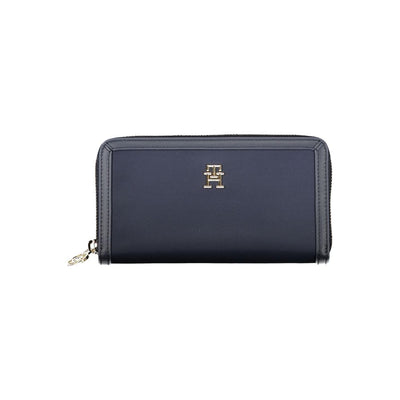


The useful wallet is an organisational system in miniature. Its form should reduce daily friction: the right items visible, the right capacity available and nothing carried simply because there is room for it.
This guide begins with format and function rather than leather inspection. The question is which architecture best fits the way money, cards, documents and receipts actually move through the day.
Card case: for edited carry
A card case works when the daily load is genuinely small. It keeps pockets and bags light, but it also requires discipline. Prioritise identification, primary payment cards and the few credentials used regularly.
If cash, coins or receipts are routinely carried, a card case may force other loose items into the bag and create a worse system overall.
Bifold: for compact range
The bifold remains useful because it combines notes and cards without becoming excessively large. Check how thick it becomes when normally loaded. A wallet that only looks compact while empty is solving photography rather than use.
Zip wallet: for security and mixed contents
A perimeter zip can contain cards, notes, receipts and sometimes coins more securely. The trade-off is bulk and the need for enough clearance around the zip track. Check that contents do not press into the mechanism when the wallet is closed.
Continental wallet: for bag-based organisation
A long continental format gives notes, cards and documents more room to remain flat. It works naturally inside a handbag or briefcase and less naturally in a pocket. Interior organisation becomes more important because unused compartments quickly become storage for paper that should have been discarded.
Travel wallet: for documents with a temporary role
Travel formats can hold passport, boarding documents, multiple currencies and cards, but they do not need to become everyday wallets after the trip. Choose enough capacity for the journey and secure closures appropriate to repeated handling.
Technology claims need product-specific evidence
RFID blocking, tracking integration, connected features and security materials should only be credited when clearly stated in the specification. Do not infer protection from thickness, metal detailing or marketing language.
Choose organisation before colour
Once the format is right, colour can help identify the wallet inside a bag. Black, graphite and navy remain quiet. Oxblood makes a controlled personal marker. Forest or deep plum can make a small object easier to locate without turning it into a loud accessory.
Do not let capacity create clutter
Remove expired cards, old receipts and duplicate items routinely. Excess contents distort leather, strain seams and make the wallet slower to use. The correct format should make editing easier, not remove the need for it.
Search questions answered
What type of wallet is best for everyday use? The one that fits the contents you truly carry. Card cases suit minimal carry, bifolds balance size and range, and zip or continental formats suit greater organisation.
Is a larger wallet more practical? Only when the additional capacity is used deliberately. Otherwise it adds bulk and encourages clutter.
Do designer wallets automatically have RFID protection? No. Treat RFID blocking as a product-specific feature that needs explicit evidence.
Shop by format
Browse Wallets at THE GRAY CRAB.
THE GRAY CRAB view
A wallet should make daily organisation quieter. The best format is the one that removes decisions rather than creating more compartments for them.