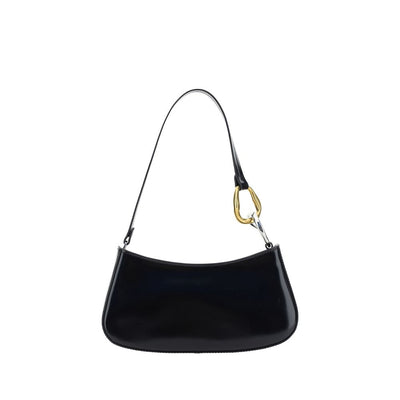

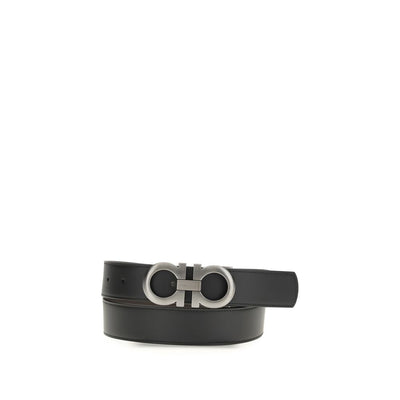
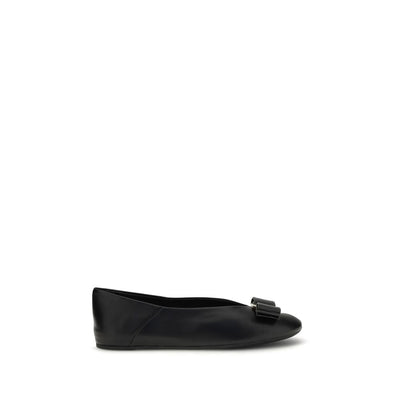
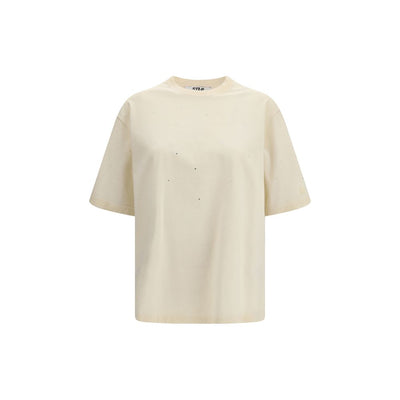
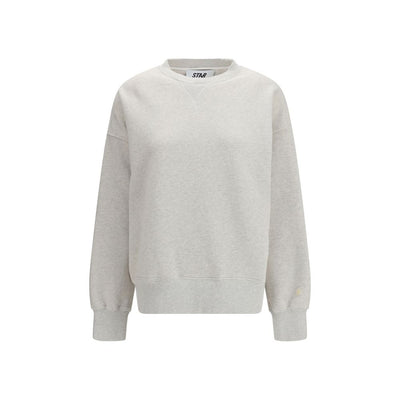
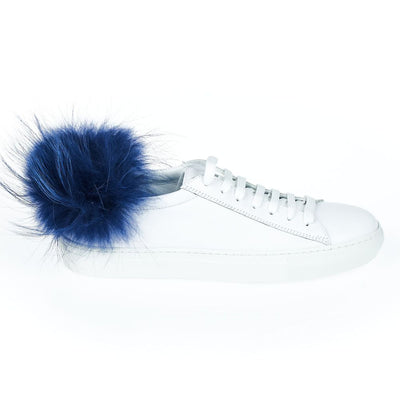
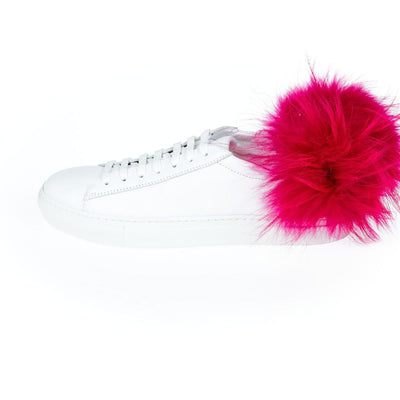
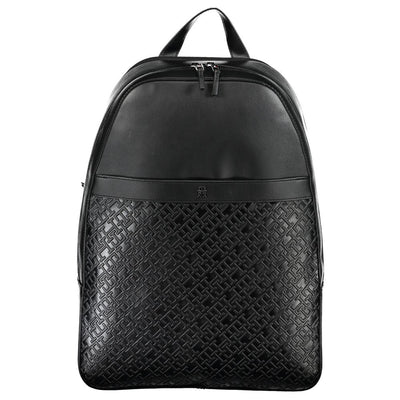


Craftsmanship is often used as a luxury adjective. It is more useful as a method of inspection. The term earns meaning only when material has been cut, joined, finished and made functional with discipline.
A curated wardrobe improves when the buyer learns to read those decisions directly rather than relying on price, country of origin or heritage language to make the judgement.
Material quality is only the first test
Fine leather can still be cut poorly. Excellent wool can be distorted by weak internal construction. Beautiful silk can be undermined by careless seams. Precious metal can be attached to an unreliable closure.
Ask not only what the object is made from, but how intelligently the material has been used.
Inspect the parts photography tends to hide
Turn garments and accessories over. Look at seam allowances, linings, pocket bags, edge finishing, undersides, backs of settings, zipper ends, reinforcement and attachment points. The less visible areas often reveal whether the maker expected the object to be examined closely.
Stress points reveal design discipline
Handles, belt holes, pocket corners, shoulder seams, shoe flex points, ring shanks and bracelet hinges receive repeated force. Reinforcement should appear where the object needs it without creating unnecessary bulk.
On pre-owned pieces, these same areas provide a useful record of how the construction has survived real use.
Consistency matters more than decorative complexity
Even stitching, matched pattern, controlled edge paint, clean setting work and reliable hardware are often better indicators of discipline than elaborate surface treatment. Complexity is impressive only when execution remains precise.
Function belongs inside craftsmanship
A bag that is awkward to open, a shoe that distorts gait, a coat with unusable pockets or jewellery with an unreliable clasp has not fully solved its design problem. Craft includes usability because the object was made to be worn or carried.
Provenance should be specific
Claims such as handmade, artisan-made, sustainably sourced, ethical or heritage technique require evidence appropriate to the product. Country of manufacture alone does not prove a level of handwork, labour practice or material origin.
Romance can add context after the facts have been established. It should not replace them.
Repairability extends the judgement
Well-made objects are not indestructible. Consider whether soles can be serviced, hardware replaced, seams repaired, leather conditioned and jewellery settings maintained. Construction that permits sensible repair can materially extend useful life.
Search questions answered
How can you tell if clothing or accessories are well made? Inspect material, seams, lining, reinforcement, hardware, finishing, stress points and how well the object performs its intended function.
Does made in Italy or made in France guarantee craftsmanship? No. Origin can provide context, but individual construction still needs to be assessed.
Is handmade always better? No. Handwork can be exceptional or poor, just as industrial production can be highly precise. Execution matters more than the label.
Shop with inspection in mind
Browse the Collection at THE GRAY CRAB.
THE GRAY CRAB view
Curation begins with what can be inspected. The story should arrive only after the object has earned it.