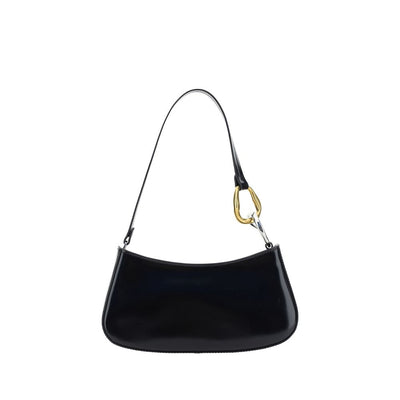

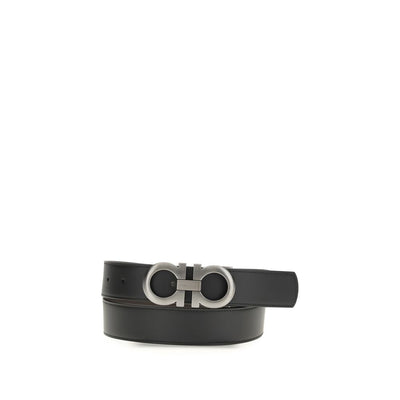
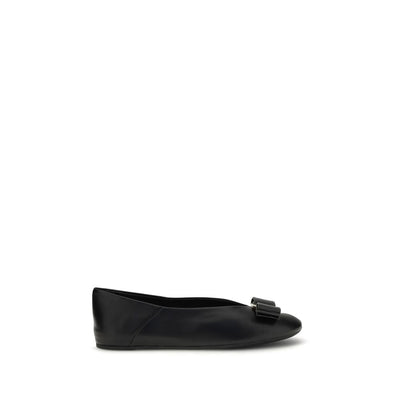


Ferragamo’s footwear authority is easiest to understand through a simple reversal: the foot comes before the shoe. That sounds self-evident until a beautiful pair becomes painful after twenty minutes or a recognisable last asks the wearer to compensate for pressure with every step.
For the client, heritage is useful only when it improves the present buying decision. Fit, balance, last shape, leather, heel geometry and serviceability determine whether a shoe earns repeated wear. Ferragamo remains a useful reference because the house’s history is unusually associated with those structural questions rather than footwear as decoration alone.
The last is the real signature
The last is the form around which a shoe is shaped. It controls toe geometry, width, instep volume, heel fit and much of the silhouette. An elongated toe can look elegant and still be incompatible with a broad forefoot. A rounded last can appear forgiving and still place pressure in the wrong place. Size is only one part of fit.
When trying on designer footwear, compare the widest part of the foot with the widest part of the shoe. Check whether the heel remains secure. Walk, turn and stand long enough to notice whether pressure builds at the toes, instep or arch. A shoe that appears correct only while motionless has not passed the useful test.
Material and heel geometry decide the experience
Smooth calfskin can take polish and structure while softening with use. Suede can be more forgiving around the foot but asks for weather discipline. Patent delivers a sharper surface and records flex more visibly. None should be judged only by softness. The upper needs enough substance to hold counter, vamp and toe line without becoming rigid.
Heel height attracts attention, but placement and stability matter more. On pumps and heeled shoes, the heel should support the body rather than make the wearer feel pitched constantly forward. Straps should avoid cutting across joints. Toe boxes should not compress the foot simply to preserve a line. Comfort is not a concession when the design is supposed to be worn.
For men, sole thickness, vamp, toe shape and hardware decide whether a loafer, derby or driving shoe belongs beside tailoring or leisure clothing. Leather alone does not establish formality.
Heritage matters when it remains useful
Inspect the sole edge, lining, heel seat, stitching and transition between upper and sole. Ask whether heel taps, soles or hardware can be serviced. Not every designer shoe is constructed for repeated repair, but a pair intended for frequent use should have a credible maintenance horizon.
Feet also change during the day with heat, walking and travel. Trying footwear later in the day can expose pressure a morning fitting hides. Bring the hosiery or socks expected in real use and assess any insert or support while it is actually inside the shoe.
Browse Men’s Shoes and Women’s Shoes with the same hierarchy: anatomy, last, material, construction, then recognition. For seasonal categories, Summer Shoes: Espadrilles, Boat Shoes, and Sandals applies that logic to warmer-weather footwear.
THE GRAY CRAB view: Ferragamo’s most useful lesson is not nostalgic. A designer shoe becomes more convincing after the client walks in it. The foot remains the first design brief.