


Summer exposes the shoe. Trousers become lighter, hems rise, ankles appear and the visual weight of the wardrobe changes. Footwear that disappeared under winter wool becomes one of the most legible decisions in the outfit.
That does not mean one category can solve every room. Espadrilles, boat shoes, sandals and loafers each carry a different level of structure, exposure and formality. The buying problem begins when a warm-weather shoe is chosen for atmosphere and then asked to perform a job its construction never promised.
Each category answers a different room
Espadrilles make sense when the jute or rope-derived sole, canvas or leather upper and relaxed construction belong to the setting. They can be excellent with linen, cotton, resort trousers and dresses, but the join between upper and sole still needs to be clean and stable. Soft does not mean disposable.
Boat shoes carry a different history and function. Their low profile, flexible sole and secure lacing can work with chinos, denim, linen trousers and relaxed tailoring. Leather does not automatically make them formal. Sole, stitching and proportion keep the category in a casual register.
Sandals are even more dependent on engineering. Strap placement, toe position, footbed shape, arch support and sole stability determine whether a visually minimal shoe remains comfortable after twenty minutes. The foot should sit inside the perimeter of the sole, and a slide should not require constant toe gripping simply to stay on.
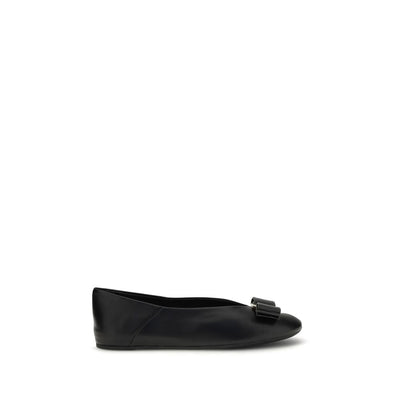
Loafers remain the bridge category. An unlined leather or suede loafer can move from city lunch to travel, office and dinner with more range than most open shoes. A controlled vamp and lighter sole usually sit more easily beside linen and summer tailoring than exaggerated bulk.
Fit and sole decide whether ease becomes sloppiness
Warm weather encourages lighter construction, but reduced structure makes fit more important, not less. A sandal that slides, an espadrille with an unstable footbed or a loafer that collapses at the heel creates friction the season was supposed to remove.
Read the sole for the terrain. Smooth leather belongs more naturally to dry, controlled environments. Rubber can add grip and travel practicality. Rope and woven constructions have their own abrasion limits. No price tier exempts the owner from matching the shoe to pavement, weather and walking distance.
Suede can be particularly effective in summer because it softens tailoring and carries muted colour well. It also adds weather sensitivity. For the ownership trade-offs, read Suede Without Panic: What to Know Before You Buy.
Pack by function, not duplication
A useful summer trip usually needs fewer categories than the suitcase suggests: one shoe capable of sustained walking, one refined closed shoe and one warm-weather open or soft option. Several versions of the same relaxed sandal create choice without increasing capability.
Colour should reduce friction. Black, brown, tobacco, tan, cream, white, midnight and restrained metallics move easily through summer wardrobes. Oxblood can add warmth. Stronger colour is best reserved for a shoe with a precise role rather than used to manufacture novelty.
Browse Men’s Shoes and Women’s Shoes by function first: walking, city, evening, resort, travel. The category should make the room easier to enter, not require the room to forgive it.
THE GRAY CRAB view: summer does not lower the standard. It removes the layers that used to hide weak decisions. Choose the shoe whose fit, sole and level of formality remain convincing after the season’s atmosphere is removed.