2026 Luxury Market

Investment-Piece Logic: Cost Per Wear, Craft, and Resale

Designer wardrobe objects considered through cost per wear, craftsmanship and resale for THE NOTICE by THE GRAY CRAB

The phrase “investment piece” has been stretched until it can mean almost anything with a high price and a recognisable name. That is not a useful buying framework.

In 2026, the question has become harder and more interesting. Luxury shoppers are researching products across editorial sites, resale platforms, social feeds and AI tools before they commit. Price increases have made the scrutiny sharper. Craftsmanship still matters, but so do versatility, service, repairability, emotional connection and whether the object keeps earning attention after the first week.

The stronger question is not “Will this appreciate?” It is “What evidence suggests this object deserves years of ownership?”

Cost per wear is useful, but incomplete

Cost per wear begins with a simple calculation: total ownership cost divided by the number of uses. A $1,200 shoe worn 120 times has a different economic logic from a $400 shoe worn twice. But the arithmetic should include more than the ticket price.

Alterations, cleaning, resoling, servicing, conditioning, storage and replacement components all belong in the ownership cost. So does inconvenience. An object that requires constant specialist attention may still be worth owning, but the client should know what kind of relationship is being purchased.

Cost per wear works best as a reality check. It asks whether the object belongs to the life actually lived rather than the life imagined at checkout.

Read construction before recognition

Quality leaves evidence. In leather goods, inspect the surface, lining, edge finishing, handle anchors, closures and stress points. In footwear, look at the upper, lining, sole, heel attachment and whether the construction can be serviced. In tailoring, examine cloth, balance, lining, buttonholes, seams and how the garment moves. In jewellery, look at settings, clasps, joins, weight, hallmarks and finishing.

A house name can provide context, design language and market recognition. It cannot make weak construction disappear. The higher the price, the more reasonable it is to ask what, specifically, the object is doing well.

Repairability changes the value equation

An object that can be maintained has a longer commercial and emotional life. Replaceable heel taps, resoleable footwear, serviceable watch movements, repairable clasps, replaceable straps and leather that responds well to professional care all make ownership more resilient.

Before buying, ask what usually wears first and what happens when it does. Can the house service the object? Can an independent specialist work on it without compromising function or future authentication? Are replacement components available? These questions are not unromantic. They are what allow a good object to remain in use.

Resale is evidence, not a guarantee

The secondary market now plays a larger role in luxury discovery. Buyers use resale platforms to compare historical pricing, understand which models recur, study condition and see how materials age. That information is valuable, but it is often misused.

Resale value varies with brand, model, size, material, colour, condition, provenance, season, market supply and current demand. Selling fees also matter. A bag that appears to “hold value” in a headline may produce a very different net outcome once purchase price, condition and transaction costs are considered.

Use resale as one input. If the purchase only makes sense because a future stranger is expected to pay more for it, the ownership thesis is weak.

The categories where quality can compound

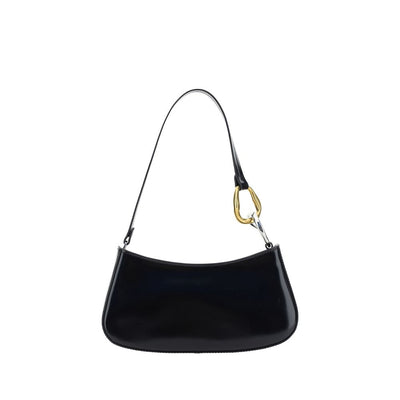
Leather goods: good leather, stable construction and serviceable hardware can become more convincing with use, particularly when the design is not dependent on one season.

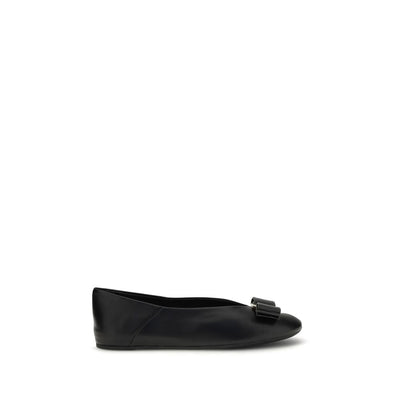
Footwear: fit comes first. A beautifully made shoe that cannot be worn has no meaningful cost-per-wear advantage. Construction and repairability matter once fit is resolved.

Tailoring: strong cloth and correct alterations can make a garment useful for years. Extreme silhouettes have a narrower life unless they are genuinely part of the wearer’s identity.

Jewellery and watches: materials, service history, documentation and condition matter alongside design. These categories can carry strong secondary markets, but they should still be chosen to wear.

Scarves and small accessories: these are often overlooked because the ticket price is lower, yet repeated use can make them some of the most economically rational designer purchases in a wardrobe.

What 2026 luxury is teaching buyers

The luxury market is in a period of recalibration. Across current industry research, quality and craftsmanship are being examined more closely as consumers question price-led growth. At the same time, jewellery, resale and AI-assisted product discovery are changing where buyers gather confidence.

This means the object has to explain itself in more places. A client may encounter a bag in an editorial, compare it on resale, ask an AI tool about the leather, search Reddit for wear reports, then return to the retailer. Vague claims collapse under that journey. Specific material, construction, care and fit information becomes commercially useful.

Emotional value is not irrational

There is another part of the equation that spreadsheets cannot resolve. A scarf worn to every important dinner, a watch connected to a milestone, a bag that makes travel easier, or a jacket that removes uncertainty from formal dressing can earn value through meaning.

That does not excuse poor construction. It explains why two equally well-made objects can have very different value to the same client. Long ownership is partly mechanical and partly personal.

A disciplined buying test

  • Role: What specific job does this object perform?
  • Frequency: How often will it realistically be used?
  • Evidence: What construction or material details justify confidence?
  • Care: What does ownership require?
  • Repair: What happens when the first component wears?
  • Resale: Is there a credible secondary market, and does that matter to you?
  • Identity: Would you still want it if the logo were less visible?

Frequently asked questions

What makes a designer purchase worth the money? Repeated use, construction quality, fit, maintainability, a clear role in the wardrobe and a price that remains defensible after the initial desire has passed.

Is cost per wear the best way to judge value? It is one useful measure. It should sit beside repairability, care costs, emotional meaning, resale uncertainty and whether the object genuinely reduces wardrobe friction.

Which designer categories hold value best? There is no universal answer. Certain bags, watches and jewellery references have active secondary markets, but performance varies by model, condition and market cycle.

Should you buy luxury for resale? Resale can reduce ownership risk, but it should not be treated as a guaranteed return. Buy an object whose primary value exists while you own it.

Build the long-view wardrobe

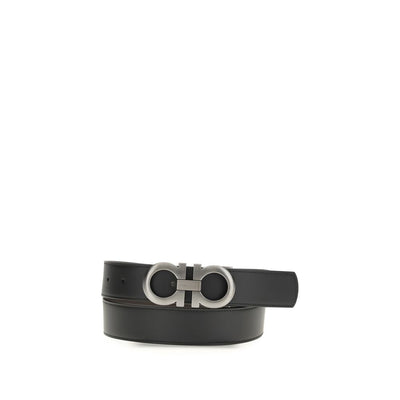
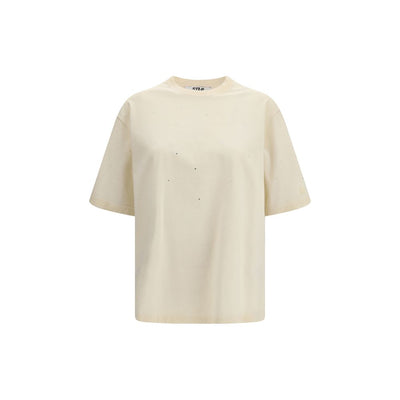
Browse Bags, Belts, Men’s Shoes, Women’s Shoes and Accessories with the ownership test in mind.

THE GRAY CRAB view

An investment piece should not need the word “investment” to defend it. The object should keep making sense through wear, service, care and time. Resale may support the decision. Recognition may add pleasure. The strongest evidence is still the number of times the client chooses it again.