
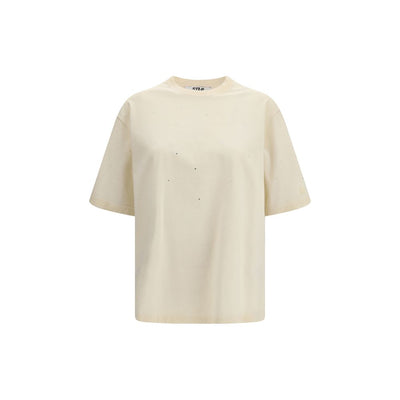


Linen becomes persuasive when it stops pretending to be untouched. It creases, softens and records movement. Those qualities are part of the fibre’s appeal, but they also make weak cloth easier to expose. A linen garment with insufficient body can become transparent, twist at the seam or collapse after washing long before the owner has accepted the wrinkles as character.
The useful buying question is not how to prevent linen from wrinkling. It is whether weight, weave, yarn, construction and care have been resolved well enough that the wrinkles look like movement rather than failure.
Weight needs context
Lightweight linen can be exceptionally cool, but low mass is not automatically a mark of quality. Very fine cloth can cling, lose opacity or struggle to support pockets, seams and tailoring. Heavier linen often drapes with more authority, though a dense construction may feel warmer than its fibre reputation suggests.
Hold the fabric to light. Look at the openness and regularity of the weave. Then let it fall from the hand. The cloth should have enough movement for the garment and enough substance for its job. Shirting, trousers, dresses and jackets do not need the same specification.
Blends deserve the same inspection. Linen with cotton can soften the hand. Wool can improve recovery and tailoring discipline. Silk can introduce lustre and fluidity. The fibre list explains composition, not whether the finished cloth is appropriate.
Origin does not replace cloth inspection
Belgian, French, Irish and Italian linen traditions carry legitimate histories, but geography should not become a shortcut. Flax may be grown in one country, spun in another, woven in another and finished elsewhere. A broad origin phrase can describe one part of a supply chain without explaining the finished object.
When provenance matters, more specific information is more useful: fibre source, spinner, mill, weave and finishing where known. When it is not known, inspect what is actually in front of you. Look for seam stability, excessive loose fibre, distortion and whether the garment allows enough ease for linen to move.
Texture is not a defect. Slubs and irregularities can be intentional characteristics of the yarn and weave. The distinction is between designed character and instability that becomes pilling, pulling or structural weakness.
Care should preserve the fibre, not erase its identity
Follow the garment label first. When washable, cool or lukewarm water, mild detergent and adequate rinsing are generally kinder than aggressive heat. Remove garments promptly so they do not dry into hard compression. Air drying is often gentler; if machine drying is permitted, repeated high heat can increase shrinkage risk and leave fibres feeling brittle.
Press only to the degree the garment requires. Tailored linen may need professional attention because lapels, canvas and structure respond differently from a shirt. Fine movement creases do not need to be ironed out simply because they exist.
Store linen clean and fully dry. Residual body oils and stains can become harder to remove over time. Give folded pieces enough space to avoid months of heavy compression, and support structured jackets according to their construction.
For styling rather than fibre inspection, continue with The Linen Edit: Summer Dressing in Linen. For tailoring-specific weight and weave logic, read Summer-Weight Tailoring: What a Suit Should Weigh.
THE GRAY CRAB view: good linen does not need to remain smooth to remain composed. Buy enough cloth for the job, enough ease for movement and a care routine that lets the fibre soften without losing its structure.