
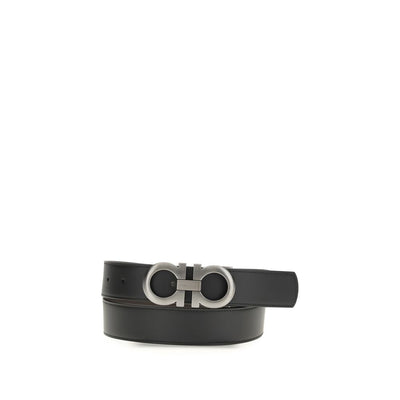
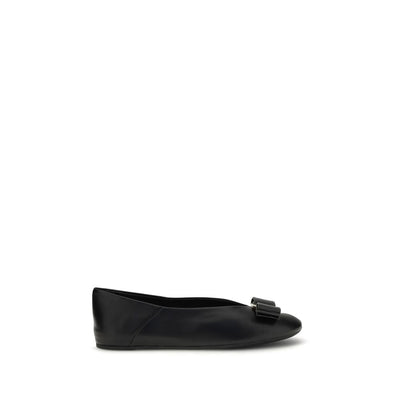
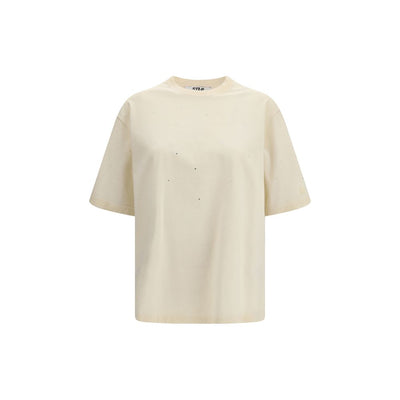
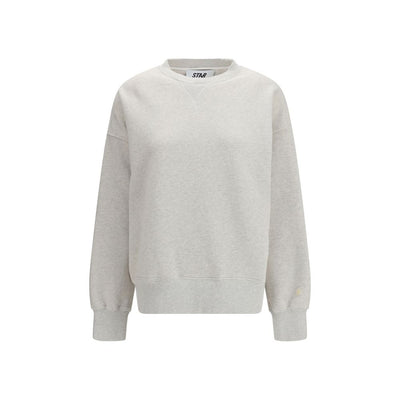


Quiet luxury is useful only when it describes a purchasing standard rather than an aesthetic costume. Neutral colours, discreet logos and expensive materials can all imitate restraint. The harder test is whether the object remains convincing through fit, construction, use and maintenance.
Begin with the categories that work hardest
Shoes, outerwear, bags, knitwear, trousers, belts and daily accessories receive enough repetition to expose weak decisions quickly. A disciplined wardrobe does not require every category to be expensive. It requires the higher-cost categories to have a reason.
Read material before recognition
Leather, wool, cashmere, linen, silk and dense cotton should justify themselves through hand, construction and behaviour. Fibre names alone are insufficient. Weave, weight, finishing and how the material is used in the garment or object matter.
A logo cannot improve weak cloth, poor edge finishing or unresolved fit.
Fit is part of value
A beautifully made jacket that sits incorrectly at the shoulder or trousers that require major reconstruction are not disciplined purchases simply because the material is good. Alteration can be valuable, but the realistic cost and tolerance of the garment should be considered before purchase.
Use cost per wear as a test, not a promise
Cost per wear can clarify whether an object is likely to earn repetition. Include alterations, cleaning, repairs and maintenance. Then use realistic frequency rather than an imagined future in which every expensive purchase becomes a daily essential.
Reject false economy
A discount does not make an unnecessary object useful. Resale language does not guarantee liquidity. Scarcity does not improve fit. Loyalty points do not repair construction.
The strongest purchase remains rational after the promotional argument has been removed.
Maintenance belongs in the buying decision
Repairable shoes, serviceable hardware, maintainable leather and clothing with sensible alteration options can extend ownership. Ask what is likely to wear first and whether the object can be restored without disproportionate cost.
Search questions answered
What is quiet luxury? At its most useful, it is a focus on material, proportion, construction and restraint rather than conspicuous branding.
How do you buy fewer but better clothes? Prioritise frequently used categories, inspect material and construction, resolve fit and avoid duplicate roles.
Is a high price evidence of quality? No. Price can reflect many factors. The object still needs direct inspection.
Shop with discipline
Browse the Collection at THE GRAY CRAB.
THE GRAY CRAB view
Restraint is not a beige colour palette. It is the ability to remove the sales argument and still want the object for what it does.