
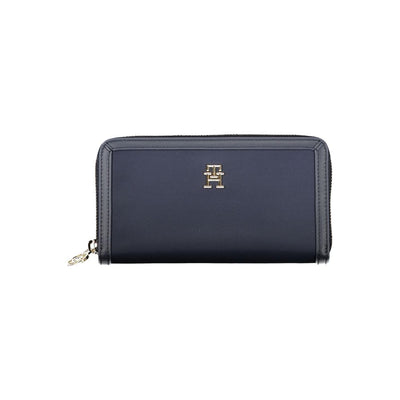


A bag is not kept because it was expensive. It is kept because the wardrobe continues to need it.
The bag that stays usually has a clear assignment, a material appropriate to that assignment and a proportion that remains useful after the first season of attention has passed.
Start with what the bag has to carry
Daily essentials, laptop, travel documents, evening basics and weekend carry produce different requirements. Capacity should be tested with real contents rather than inferred from external dimensions alone.
Opening width, closure, strap drop, handle shape, interior organisation and empty weight all affect whether a bag remains pleasant after repeated use.
Material sets the ageing pattern
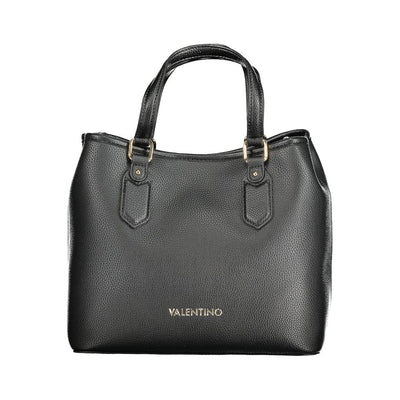
Smooth leather can look precise and show scratches readily. Pebbled leather disguises ordinary abrasion more easily. Suede adds depth but requires tolerance for nap change and weather. Patent makes flex and transfer visible. Raffia and woven materials often belong most naturally to seasonal use.
The best material is not the one considered most luxurious. It is the one whose ageing pattern is acceptable for the intended life.
Shape decides whether the bag remains useful
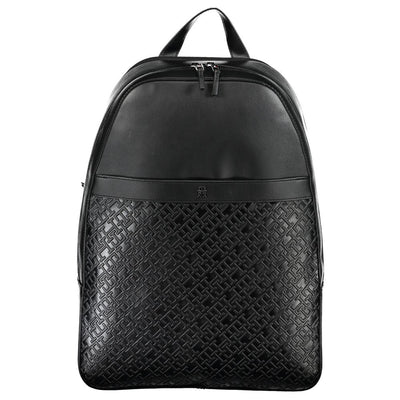
A structured bag can retain a composed line when the panels, base and handles are adequately supported. A softer bag can be excellent when collapse is part of the design rather than the result of weak construction.
Inspect corners, handle anchors, strap attachments, edge finishing and the base. These areas reveal stress long before the broad panels do.
Hardware should work quietly
Zips, clasps, rings and feet should support function without creating unnecessary weight or noise. Heavy hardware on a soft bag can accelerate distortion. Decorative hardware that catches clothing or requires effort every time the bag opens reduces long-term usability.
Colour can extend the ownership horizon
Black, brown, graphite, navy and restrained neutrals offer wide range. Oxblood adds warmth. Forest gives a darker alternative to conventional neutrals. Deep plum can provide individuality without brightness. Choose a colour because it contributes a wardrobe role, not because it is temporarily scarce.
Search questions answered
What makes a designer bag worth keeping? Useful capacity, appropriate material, reliable construction, comfortable carry and a colour that continues to work with the wardrobe.
Which bag material ages best? There is no universal answer. Smooth and pebbled leather often offer broad daily utility, while suede, raffia and patent require more specific expectations.
Should resale decide the purchase? No. Secondary-market information can inform ownership risk, but future resale is uncertain and should remain secondary to use.
Shop the bag edit
Browse Bags, THE NOTICE Work Bags, THE NOTICE Trend Bags and THE NOTICE Suede Bags.
THE GRAY CRAB view
The bag that stays is the one still solving the wardrobe after the reasons for wanting it have changed.