


Sleepwear is one of the few wardrobe categories judged for hours while almost nobody is looking. That makes fibre, weave, seam placement and laundering more important than visual drama. A fabric can feel soft on a hanger and still trap heat, twist after washing or irritate the skin through a night.
The useful question is not which fibre is universally best. It is which combination of material and construction works for the wearer’s temperature, room, care habits and tolerance for wrinkle or maintenance.
Cotton changes character with the weave
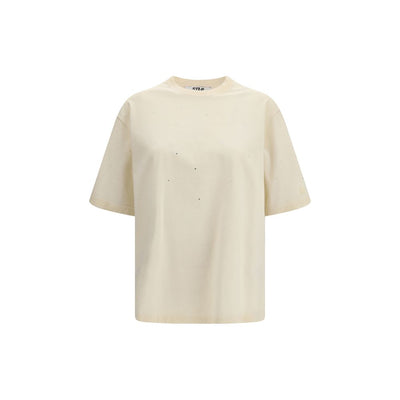
Cotton is practical because it can breathe, absorb moisture and tolerate regular laundering, but the experience depends heavily on construction. Poplin tends to feel crisp and relatively cool. Jersey stretches and follows the body more closely. Brushed cotton adds warmth by raising the surface. The fibre name alone does not tell the client how the garment will sleep.
Inspect seams at shoulder, side, armhole and waistband. These are repeated pressure points during movement. A soft cloth with bulky seam allowances can still be uncomfortable. Check whether the waistband recovers after stretching and whether buttons, piping or trims sit flat rather than becoming hard points against the body.
Silk and linen solve different problems
Silk is valued for low bulk, fluid drape and a smooth hand. It can feel comfortable across a range of room temperatures, but cut and care matter. A narrow armhole or tight hip defeats the benefit of a fluid fabric. Wash or clean according to the garment’s instructions and keep rough surfaces away from fine silk because abrasion can become visible quickly.
Linen suits warm conditions because it allows air to move and releases moisture readily. It wrinkles by nature. That is not a quality failure. Weight and weave determine whether those wrinkles read as relaxed texture or whether the garment simply loses form. Very lightweight linen also deserves an opacity check in ordinary light before purchase.
Price should buy better contact with the body
At lower price points, prioritise a comfortable cut, stable seams and fabric that can survive the care routine it requires. As price rises, expect more disciplined fibre selection, cleaner seam finishing, better pattern balance, more considered trims and fewer compromises in how the garment moves. A high price cannot make difficult care convenient. It should make the object more resolved.
Shrinkage, colourfastness and dimensional stability remain ownership questions. Follow the care label, avoid assuming every cotton piece tolerates high heat, and consider whether a silk or linen garment will actually receive the maintenance it needs. The most refined sleepwear is useless when its care requirements guarantee it stays folded in a drawer.
Browse Women’s Clothing and Men’s Clothing with fibre, cut and laundering in mind rather than softness alone.
THE GRAY CRAB view: rest deserves the same material intelligence as the public wardrobe. The best sleepwear disappears from attention because fibre, seam and temperature have already been handled.