


Designer sneakers are difficult because comfort, status and casualness arrive in the same object. The category can make tailoring more relaxed, travel easier and a weekend wardrobe cleaner. It can also become an expensive way to buy a logo attached to a short-lived silhouette.
The useful sneaker is not the one that looks most current in isolation. It is the one whose last, sole, material and proportion work with the clothing already owned and remain comfortable after the first hour.
Silhouette determines wardrobe range
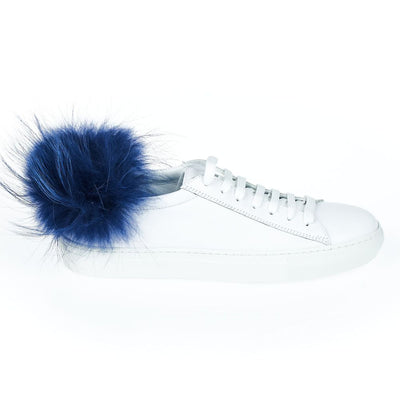
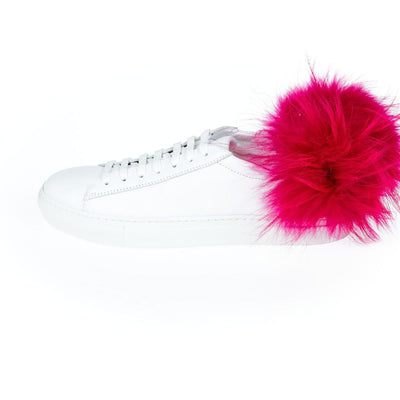
A clean low court sneaker generally moves most easily between denim, trousers, relaxed tailoring and travel. Runner-derived forms can provide more cushioning and visual energy but usually sit in a more casual register. Thick soles, exaggerated toe shapes and highly sculptural uppers narrow the number of outfits the shoe can support, even when they are compelling on their own.
Fit still begins with anatomy. Check heel security, forefoot width, toe room and instep pressure. Walk long enough to notice whether the shoe bends where the foot bends. Soft padding can disguise a poor last during a short fitting.
Material should defend the price after the name is covered
Leather can bring structure and easier cleaning. Suede adds depth and softens the visual register while increasing weather sensitivity. Textile and technical uppers may improve breathability or reduce weight when the construction supports them. Inspect stitching, lining, heel counter, sole join and the point where the upper flexes.
White, cream, black, graphite, brown and navy usually offer the broadest wardrobe range. Oxblood, forest and deep plum can work when the rest of the wardrobe already has enough neutral architecture to support them. Colour should add capability, not create a requirement for more shopping.
What should change as the price rises
Under roughly $350, demand fit, stable construction and a sole appropriate to use. Between roughly $350 and $700, material, lining, finishing and comfort should become more convincing. Above that, the client should be increasingly unwilling to pay for avoidable compromises in last, weight, serviceability or repeated-use potential. Recognition may add pleasure. It should not be the only measurable improvement.
Browse Men’s Shoes and Women’s Shoes by role: commuting, travel, weekend, tailoring or sustained walking. For the larger ownership calculation, read Investment-Piece Logic: Cost Per Wear, Craft, and Resale.
THE GRAY CRAB view: the sneaker should make the wardrobe easier without making it younger, louder or less exact. Fit and repeated use earn the price before recognition does.