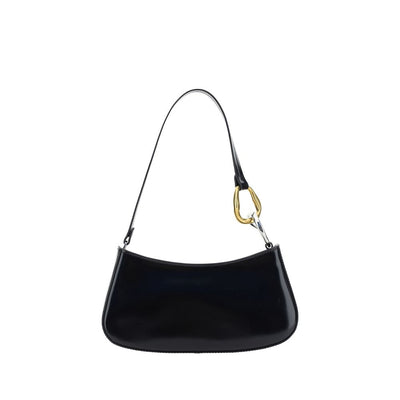

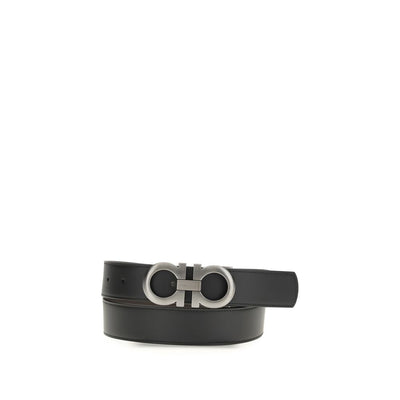
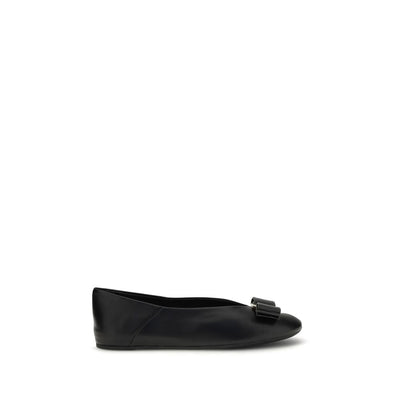
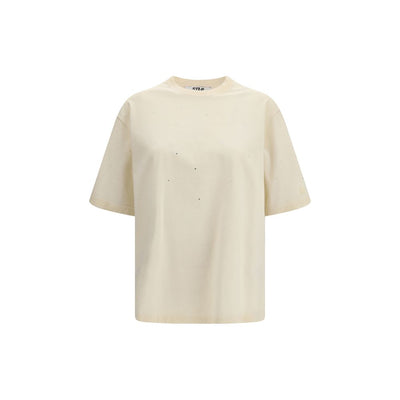


Fashion is very good at teaching us how to want something. It is less interested in what happens after the purchase, when the tissue paper is gone, the season changes and a beautiful piece becomes part of an actual life.
That is where ownership begins. Luxury is not only what you buy. It is what you know how to keep.
Silk makes the point particularly well because it carries contradiction so elegantly. It can feel almost weightless and still hold remarkable strength. It can look effortless while being unusually sensitive to light, residue, pressure and heat. A silk blouse worn often and cared for intelligently can become part of a wardrobe for years. The same blouse, neglected between seasons, can return with a fixed crease, a dulled surface or a stain that seemed invisible when it went away.
The difference is rarely an elaborate ritual. More often, it is a handful of quiet decisions made at the right time.
The part of luxury that begins after the purchase
There is a modern temptation to treat the wardrobe as a sequence of acquisitions. Something arrives, creates a moment, is photographed, worn, perhaps admired, and then makes room for the next thing. Maintenance does not have the same theatre. It is private, repetitive and almost entirely invisible.
Yet maintenance is where taste becomes discernment. Knowing what deserves professional care, what can be washed, what should be folded, what needs structure and what simply needs to be left alone is part of understanding the object itself. The point is not preciousness. It is confidence.
Before silk is stored, it should be clean according to its care label and completely dry. That sounds obvious until you remember how many residues are designed to disappear into daily life. Perfume, body oils, cosmetics and traces of food can remain on a fabric long after the garment looks clean. Given a few undisturbed months, they have time to settle more deeply into the fibre.
Construction matters as much as fibre content. A simple scarf, a bias-cut dress and a lined silk jacket may all be silk, but they do not behave in the same way. The care label is the first authority, followed by the garment itself. Linings, dyes, embellishment, weight and finish should decide how much intervention is sensible.
This is also where time enters the equation. Five thoughtful minutes before something goes into storage can prevent far more time spent trying to correct damage later. Good care is not an additional burden on a wardrobe. Done well, it removes future friction.
What silk reveals about ownership
The fold-or-hang question is a useful example because there is no universal rule, only judgement. A scarf generally tolerates broad, relaxed folds. A structured blouse or jacket may be happier on a padded hanger. A heavy, embellished or bias-cut piece can stretch under its own weight and may be safer folded. If hanging introduces tension, fold it. If folding crushes structure, support it.
What silk dislikes most is pressure without purpose. It does not need to be stored like a museum object, but neither should it spend months compressed beneath a stack of knitwear. Sharp folds can become stubborn. Broad folds are kinder. Clean acid-free tissue can soften contact points when a valuable piece needs it. For long storage, changing the fold occasionally is a small act that keeps one line from becoming the permanent memory of a season.
The room matters too. Silk prefers a quiet environment: dark, dry, stable and reasonably undisturbed. Sustained light can alter colour gradually, which is why a scarf displayed beautifully near a window can fade before anyone notices the change. Extreme heat, damp basements and large swings in temperature create their own risks. An ordinary wardrobe in a stable room is often the more luxurious solution because it asks less of the fabric.
Fragrance is another place where the performance of care can become less useful than care itself. Cedar, scented sachets and moth products can suggest a serious wardrobe ritual, but direct contact with silk may introduce oils, odour or residue the cloth does not need. The enclosure should protect the garment, not perfume it. The same logic applies to long-term plastic storage. Breathable, chemically stable materials are generally the calmer choice unless a textile specialist advises otherwise.
There is an economic argument here, although it is not really about thrift. Longevity changes the meaning of value. A piece that remains beautiful, wearable and emotionally relevant over many seasons occupies a different place in a wardrobe from one that must be replaced because care was deferred. The original price matters, but so do years of use, confidence in the piece and the absence of an unnecessary replacement.
That is why keeping is not the opposite of desire. It can be a more mature form of it. A wardrobe becomes more personal when its best pieces have history, when they have survived travel, work, dinners, celebrations and ordinary Tuesdays without being treated as disposable evidence of an earlier season.
Keeping is a form of discernment
When silk returns to rotation, patience is usually more useful than force. Let the garment relax before reaching for heat. A scarf may need little more than time on a clean surface. A blouse may respond well to gentle steaming if its care instructions allow it. Structured, embellished or unfamiliar pieces deserve more caution.
The instinct to attack a crease with a hot iron is understandable because immediacy feels productive. Silk often rewards the opposite. Excessive heat can flatten texture, create shine or disturb a finish. On an important garment, professional care is not an admission of defeat. It is sometimes the clearest expression of good judgement.
There is a broader wardrobe lesson in that. We often talk about buying better as though the decision ends at checkout. It does not. Buying fewer, more considered pieces only has meaning if those pieces are actually kept in use. Care extends the life of the object, but it also protects something less measurable: familiarity. The ease of reaching for a blouse you know, the confidence of a scarf that still behaves the way it did when you chose it, the pleasure of finding that an old favourite still deserves its place.
That continuity is one of the quieter forms of luxury. It saves time because the wardrobe becomes easier to trust. It protects value because good pieces remain useful. It reduces the impulse to replace what did not need replacing. And it changes the relationship between acquisition and ownership from one of constant novelty to one of attention.
Silk happens to make these lessons visible faster than many materials, but the principle travels well. Own what adds something. Understand it. Use it. Keep it properly. Let the rest go.
For pieces already in rotation, explore Accessories and the THE NOTICE Material Care Edit.