


Suede is often treated as the difficult member of the leather family. It marks. It changes under pressure. Water can alter the nap, denim can transfer, and pale colours show ownership quickly.
That sensitivity is also the point. Suede has depth, softness and movement that smooth leather cannot reproduce. The question is not whether suede is fragile. It is whether you understand what will change, what can be restored and where the material earns its place.
Start with the nap
The surface of suede is made to move. Brush it one way and the colour appears deeper; brush it another and light catches differently. At handles, toes, elbows and other high-contact areas, the fibres can compress and look darker or shinier.
Some of that change is ordinary compression rather than damage. When the material is clean and fully dry, a suitable suede brush can often restore surface movement. What deserves more scrutiny are bald patches, hard staining, deeply crushed areas and permanent shine.
Choose colour according to the life it will lead
Colour changes the ownership equation. Black, charcoal, chocolate, tobacco, oxblood, midnight and deep forest tend to absorb ordinary variation more quietly. Pale taupe, stone and cream make every transfer mark easier to see.
That does not make light suede a poor choice. It makes it a more deliberate one. A pale suede evening bag carried occasionally has a very different risk profile from a cream commuter tote pressed against denim five days a week.
Price does not cancel physics
Better suede can mean more consistent hide selection, richer colour, finer finishing and better construction. It does not make a napped surface immune to rain, salt, oil, friction or colour transfer.
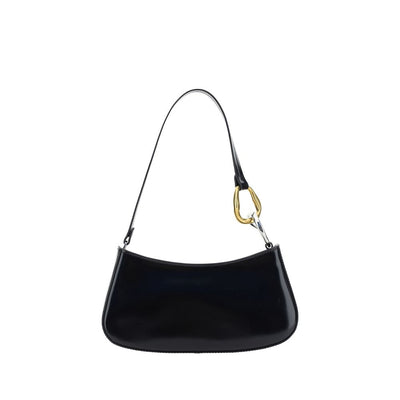
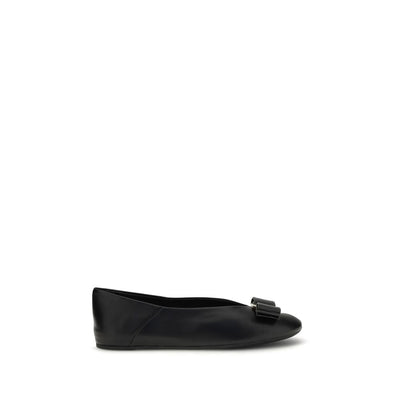
Before buying, consider the actual route the object will travel. A loafer that moves between car, office and dinner asks less of the material than a shoe expected to cross wet pavements. A shoulder bag worn against dark denim has different exposure from a top-handle bag carried in the hand.
If protection is appropriate, use a product intended for the exact material and test it discreetly first. If suede becomes wet, blot rather than rub, let it dry naturally away from direct heat, then reassess the nap once completely dry.
Inspect the places that will age first
On shoes, look closely at the toe, vamp, heel counter and edges. On bags, inspect corners, handles, strap contact points and the areas most likely to rub against clothing. On jackets, pay attention to cuffs, elbows, collars and pocket openings.
The best buying decision is not the suede object that looks perfect under showroom lighting. It is the one whose likely ageing pattern still makes sense for the way you intend to use it.
Storage should preserve texture, not freeze it
Suede needs breathing room. Avoid prolonged compression, especially against dark leather or denim. Store footwear with appropriate support that does not distort the upper. Bags should retain their shape without being overstuffed, and everything should be fully dry before going into a breathable dust bag.
The aim is not to keep suede untouched. It is to prevent avoidable crushing, transfer and moisture damage so the material can age on its own terms.
Where suede earns the trouble
Texture is suede's argument. It softens black, gives brown more depth, makes a loafer less formal, takes visual weight out of a structured bag and moves a wardrobe from late summer into autumn without relying on obvious seasonal cues.
That makes suede particularly convincing when smooth leather would feel too polished or too severe. Buy it because the surface changes the character of the object, not because the calendar says it is suede season.
Three questions before you buy
Will this object regularly meet rain, denim, oil or heavy friction?
If yes, choose the colour and category accordingly rather than expecting care products to erase the exposure.
Will ordinary variation bother you?
If every tonal change will read as damage, suede may be the wrong material for that particular purchase.
Does suede materially improve the object?
If the texture adds softness, depth or informality that smooth leather cannot provide, the additional care has a reason.
Continue with suede
Explore THE NOTICE Suede Edit for the material in practice, or THE NOTICE Material Care Edit for the broader care perspective.
THE GRAY CRAB view
Good suede is not valuable because it remains untouched. It is valuable because light, texture and use remain visible on the surface. Choose the colour, category and frequency of wear whose ageing you are prepared to live with. Then let the material do what you bought it to do.