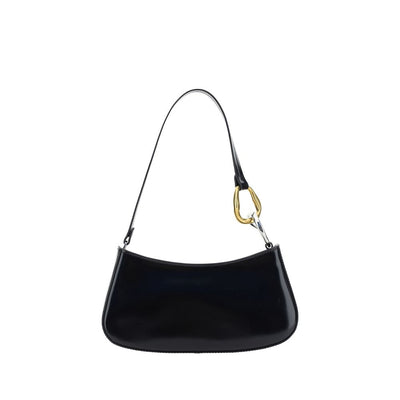

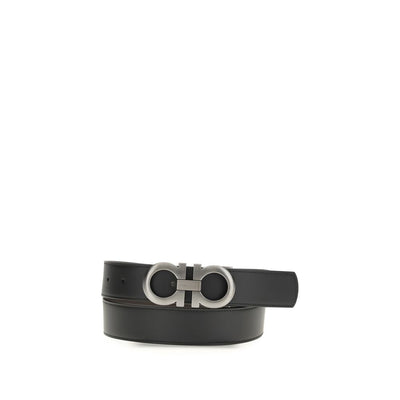
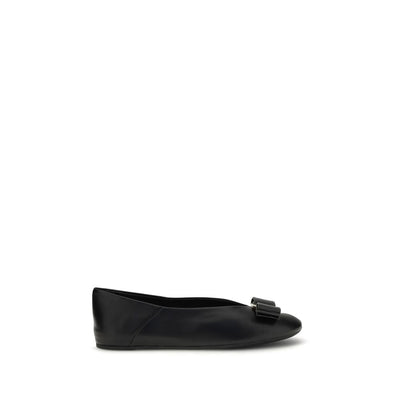


Leather conditioner is easy to overuse because applying something feels more responsible than doing nothing. Good care is less active. It begins with identifying the leather, finish and actual problem.
Condition only when the material calls for it
Smooth, absorbent leather may benefit from occasional conditioning when it begins to feel dry, lose flexibility or show a surface consistent with dehydration. Clean away appropriate surface soil first so product is not applied over dirt.
Test in a discreet area, especially on light, vegetable-tanned or minimally coated leather because conditioner can darken colour permanently.
Use less than instinct suggests
Apply a small amount evenly and allow time for absorption before deciding whether more is needed. Frequency should follow evidence rather than a fixed calendar.
A frequently worn shoe in a dry climate may need attention sooner than a structured bag stored carefully and used occasionally.
Some surfaces should not receive ordinary conditioner
Patent leather has a sealed visible coating. Suede and nubuck have napped surfaces. Metallic, heavily coated, embossed and specialised finishes can react unpredictably to oils and creams. Exotic skins may have additional requirements.
Use material-specific guidance rather than treating all leather as open smooth calfskin.
Know when to stop
Stop if leather becomes saturated, unusually soft, sticky or significantly darkened. More product does not reverse over-treatment.
Also stop when the problem is no longer dryness. Cracking through a finish, separating layers, damaged edge paint, deep staining and structural distortion require different interventions. Conditioner is not repair.
Scale intervention to irreversibility
A familiar smooth-leather belt may be straightforward to maintain at home after checking guidance. A pale structured bag, unusual finish or high-value object deserves a lower tolerance for experimentation.
The more difficult the finish is to replace, the more rational professional assessment becomes.
Search questions answered
How often should leather be conditioned? When the specific leather shows a genuine need, not according to a universal schedule.
Can you over-condition leather? Yes. Excess product can darken, soften, saturate or leave residue.
Should suede or patent leather be conditioned? Not with ordinary smooth-leather conditioner. Use care designed for the specific material and finish.
Continue the care system
Browse THE NOTICE Material Care Edit.
THE GRAY CRAB view
Leather care is measured by whether the intervention was necessary, not by how often a product was applied.