







Couture and ready-to-wear are not two price levels for the same garment. They are different production systems with different constraints, client relationships and measures of success. Understanding the distinction makes designer clothing easier to judge because it separates spectacle from the evidence of making.
Haute couture is a specific French designation governed by formal criteria and associated with approved houses. The term should not be used as a loose synonym for any expensive bespoke dress. Ready-to-wear, by contrast, is produced in standardised sizes and quantities for broader sale. The important point is not that one is serious and the other commercial. Both can contain serious design and weak decisions.
Couture begins with an individual body
The couture process allows multiple fittings, extensive handwork and specialist atelier techniques because the garment is made for a private client rather than engineered for a full size run. Pattern, balance, internal support, embroidery and finishing can be adjusted around one body and one intended use.
That does not mean every couture garment is practical or every design choice should be copied into daily clothing. Couture can also function as research, image-making and demonstration of what a house can execute when normal production pressures are reduced.
Ready-to-wear is the translation test
Ready-to-wear has to survive standard sizing, production schedules, repeatable construction, wholesale realities and actual wardrobes. That constraint is not inherently lesser. It tests whether the house can translate proportion, fabric and design language into clothing that still works away from the runway and outside one idealised sample body.
The buyer should inspect what translation has preserved. Does the fabric still support the silhouette? Are seam positions logical? Does the lining make sense? Is decorative technique concentrated where it contributes something, or merely left as a citation of the runway? Can the garment be altered without destroying the intended balance?
A house can have an extraordinary couture vocabulary and mediocre ready-to-wear execution. The reverse can also occur. Recognition of the house does not replace inspection of the garment in front of the client.
What couture can teach a ready-to-wear buyer
Look for hierarchy. Couture often makes the architecture of a garment easier to see because line, support and finishing have been pushed further. In ready-to-wear, the useful lesson is to ask which elements are structural and which are merely decorative. A jacket needs balance before embellishment. A dress needs a coherent relationship between cloth and body before the house code becomes relevant.
The same ownership discipline applies here as elsewhere. Investment-Piece Logic: Cost Per Wear, Craft, and Resale provides the broader test for whether a designer garment deserves long-term use rather than simply admiration.
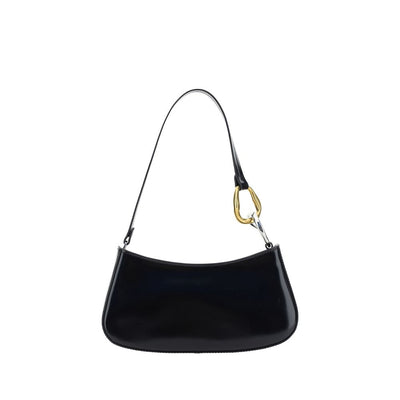
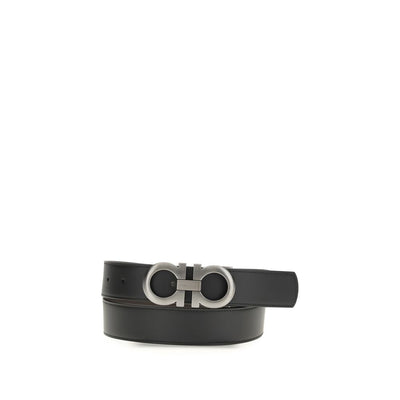
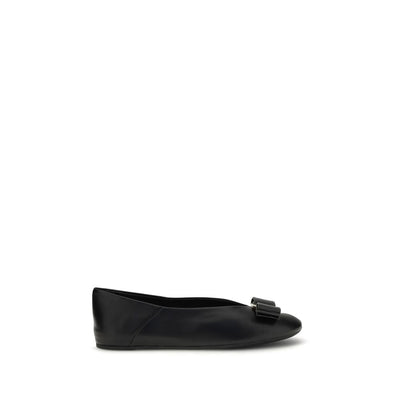
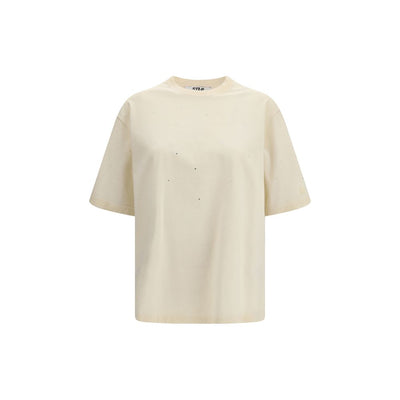
Browse Women’s Clothing and Men’s Clothing with translation in mind: fabric, cut, internal construction, alteration potential and whether the house’s design language still makes sense once the show context disappears.
THE GRAY CRAB view: couture demonstrates what a house can do under exceptional conditions. Ready-to-wear reveals how much of that intelligence survives contact with an ordinary wardrobe.