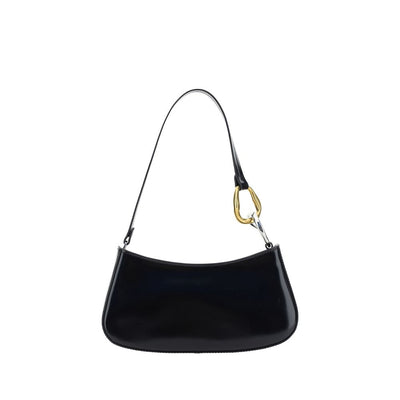

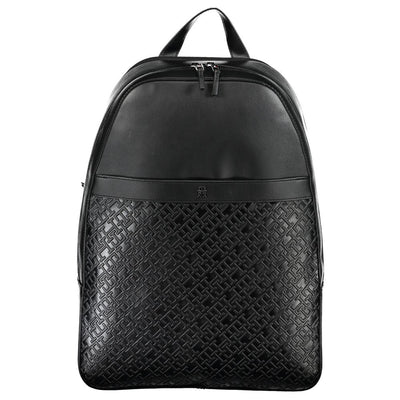
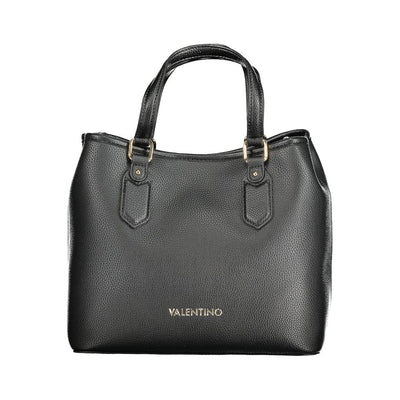



There is no single Balenciaga bag-care routine because the house has produced bags in different leathers, coated surfaces, textiles and constructions. The first care decision is therefore identification. Treat the material in front of you, not the brand name on the label.
That distinction matters especially with bags whose design depends on softness. A deliberate slouch should not be “corrected” into rigid structure, while a structured panel should not be allowed to collapse simply because the leather feels supple. Care should preserve the intended architecture.
Identify the surface before applying anything
Smooth leather, suede, patent finishes, coated materials and fabric panels respond differently to moisture, protectors and cleaners. Begin with product documentation where available. If the material is uncertain, a soft dry cloth and restraint are safer than a universal leather product.
Oils, alcohol, household cleaners and heavy balms can change colour, sheen or hand. Suede should not be conditioned like smooth leather. Patent needs its coating protected rather than penetrated. For those specific ownership rules, read Suede Without Panic: What to Know Before You Buy and Patent Leather: What Creasing Means and What to Do.
Support shape without overstuffing
Light internal support can prevent a bag from folding into stress lines during storage. Too much stuffing creates a different problem by forcing seams, zipper lines and panels outward. Use clean, soft material and enough volume to maintain the design rather than change it.
Handles and straps should rest without sharp bends or sustained load. Chains and hardware can mark softer surfaces when left pressed against them for long periods. A dust bag helps with abrasion and light, but the bag should be clean and dry before storage.
Stress points explain more than broad panels
Inspect corners, handle anchors, zipper ends, strap edges, edge paint and places where hardware repeatedly contacts leather. These areas concentrate force and usually show maintenance needs before the main body does. Early intervention is often simpler than waiting for a crack, torn anchor or separated edge to become structural.
Edge condition is particularly useful because it can reveal both construction and wear. Leather Edge Paint: How to Read the Finish explains what lifting, cracking and abrasion can indicate before repair begins.
Know when cleaning becomes restoration
Ordinary dust and light surface soil belong to routine care. Deep dye transfer, ink, oil, torn lining, damaged edge paint and unknown vintage finishes belong to a more cautious category. A qualified specialist should identify the material and likely intervention before treatment, particularly when colour matching or refinishing could alter the original surface.
For a broader pre-purchase inspection framework, read How to Read a Luxury Handbag Before You Buy. Browse Bags and THE NOTICE Material Care Edit with the same material-first discipline.
THE GRAY CRAB view: care should preserve the bag’s intended character. Do not turn softness into stiffness, patina into panic or a specific material problem into an excuse for a generic product.