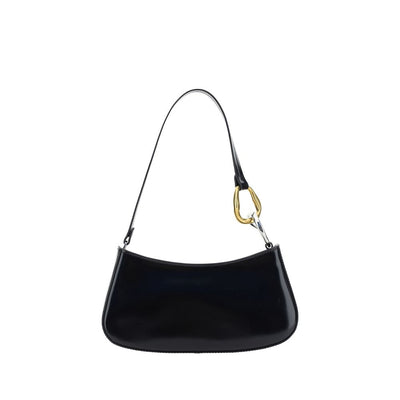

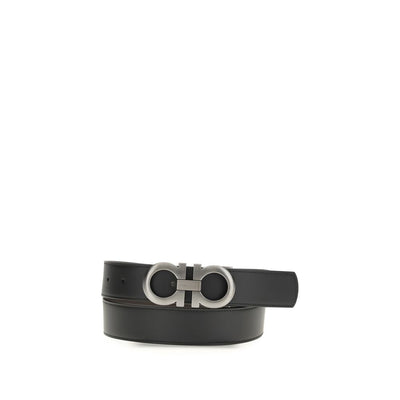
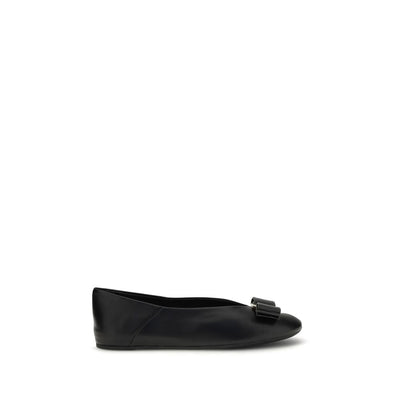
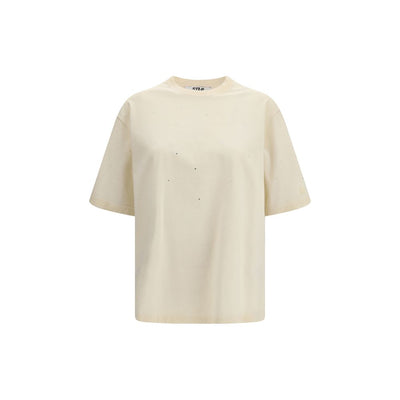
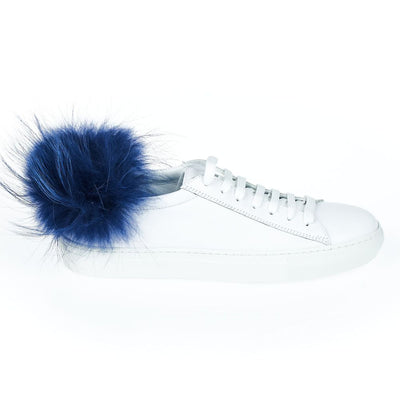
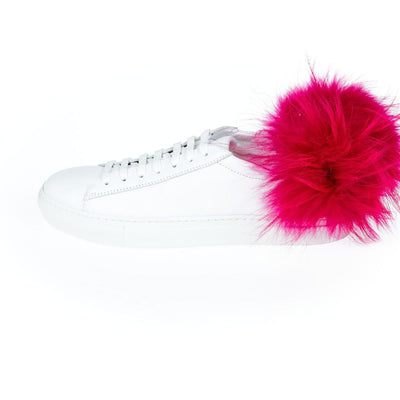


A designer sneaker is a wearing system before it is a status object. Last, upper, lining, sole, weight and flex all have to cooperate for several hours at a time. A recognisable heel tab cannot compensate for a shoe that slips, pinches or becomes exhausting halfway through the day.
That distinction matters because sneakers are easy to judge from photographs and difficult to judge from use. The strongest purchase is the pair that still makes sense after the logo is covered and the first-season excitement has passed.
Fit begins with the last, not the size printed inside
Two sneakers marked the same size can fit differently because toe shape, forefoot width, heel volume and instep height are built into the last. Check heel security, toe room and where the shoe bends while walking. Padding can make an unsuitable shape feel acceptable for five minutes. It cannot change the geometry underneath.
Silhouette then determines wardrobe range. A controlled low-profile court shape usually moves easily between denim, trousers, travel clothes and relaxed tailoring. Runner-derived forms may offer more cushioning but occupy a more casual register. Thick soles and exaggerated toe boxes can be deliberate, but they narrow the number of outfits the shoe can support.
The upper and sole reveal where the money went
Leather can provide structure and easier surface care. Suede brings depth and a softer visual register while asking more from weather judgement. Textile and technical materials can reduce weight or improve breathability when they are used as engineering rather than decoration. Inspect stitching, lining, heel counter, eyelets, edge finishing and the point where the upper meets the sole.
The sole should suit the intended day. Dense rubber can be practical for sustained walking. A slimmer sole may sit more naturally with tailoring but provide less isolation from hard pavement. Look for clean joins and even alignment. Excess glue, distortion or premature separation are more useful warning signs than whether a sole is stitched or cemented in the abstract.
Colour should lengthen use. White, cream, black, graphite, brown and navy usually create the broadest range. Oxblood, forest, midnight and deep plum can work when they answer an existing wardrobe. A colour that requires several new outfits is not adding versatility.
Higher prices should reduce compromise
At lower designer price points, demand fit, stable construction and a sole appropriate to use. In the middle tier, material, lining, finishing and comfort should become more convincing. At higher prices, the client should become less willing to accept avoidable compromises in last, weight, durability or serviceability. Recognition may add pleasure. It should not be the only measurable improvement.
Browse Men’s Shoes and Women’s Shoes by actual role: commuting, travel, weekend, tailoring or sustained walking. For the ownership calculation beyond the first season, read Investment-Piece Logic: Cost Per Wear, Craft, and Resale.
THE GRAY CRAB view: the right designer sneaker gives the wardrobe ease without lowering its standards. Fit and repeated use earn the price before recognition does.